Kleintierpraxis Sereetz
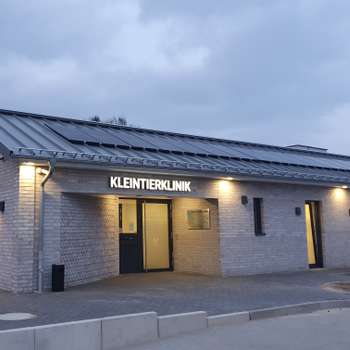
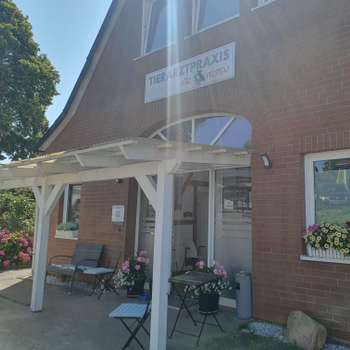
Practice in Dorfstraße 8, 23611 Ratekau, Germany
House calls across the Lübeck, Bad Oldesloe, Eutin area
Kleintierpraxis Sereetz in Ratekau combines conventional veterinary medicine with complementary therapies: acupuncture, homeopathy, and Bach flower remedies complement leech therapy, autologous blood therapy, laser therapy, and magnetic field therapy. We treat dogs, cats, rabbits, guinea pigs, birds, and other small pets – offering everything from routine check-ups, dental care, soft-tissue surgery, and neutering to digital X-rays and ultrasound. Our services are rounded out by behavioral therapy, nutritional counseling, and the administration of competency certificates, temperament tests, and guide dog team examinations. House calls are available upon request, and for pets at the end of their lives, the practice takes the time to ensure a dignified farewell.
Treated animals
Small Animals & Pets
- cats
- dogs
- guinea pigs
- rabbits
- small rodents
Avian (Birds)
- pet birds
Medical focus areas and specializations
- acupuncture
- alternative medicine
- behavioral science
- dentistry
- general medicine
- homeopathy
- internal medicine
- laser therapy
- nutrition counseling
- orthopedics
- palliative care
- proof of competence
- surgery
- ultrasound
- x-ray
Services
- HospitalizationOvernight or multi-day monitoring and care
Opening hours
- Monday
- 9:00 AM–11:00 AM
- Tuesday
- 4:00 PM–6:30 PM
- Wednesday
- 9:00 AM–11:00 AM
- Thursday
- 4:00 PM–6:30 PM
- Friday
- Closed
- Saturday
- 9:00 AM–11:00 AM
- Sunday
- Closed
Emergencies
Appointments & new clients
Spoken languages
- 🇩🇪 German
Contact
- Website
- Email
- Phone
- Fax
Practice location and mobile service area
Kleintierpraxis Sereetz
Practice location
Dorfstraße 8
23611 Ratekau
Germany
House calls
Lübeck, Bad Oldesloe, Eutin
Team 4
Reviews
We were seen quickly today as an emergency with our cat. Dr. Rusch was competent, friendly, and took her time. We find the negative reviews completely incomprehensible. I'm particularly bothered by Mr. W.'s review. Apparently, his cat had been neglected both medically and generally for a long time, and now Dr. Rusch was supposed to suddenly "fix" everything? (An old cat with bad teeth; Mr. W. should have taken care of that much earlier!) Such a condition in an animal doesn't develop overnight. PS: This is my opinion based on my role as a volunteer animal welfare advisor. The way Mr. W. allowed his cat to age is definitely a case for animal welfare. A cat's teeth can be treated, extracted, or "restored" in time; as mentioned, tartar, etc., doesn't form in just a few days.
Our 13-year-old Cocker Spaniel, Emmi, was in terrible condition: severe ear infections, mammary tumors, broken teeth, and she needed to be spayed. We were terrified for her and wondered if she would survive. We had already been to many veterinarians, spent thousands of euros, and yet her condition didn't improve; in some cases, it even worsened. Often, we felt it was more about the money than our pet. By chance, we then found Dr. Rusch. Even though we were skeptical after so many disappointments, it was the best decision we could have made. Dr. Rusch truly prioritizes the animal's well-being. She was the first person who spoke honestly with us and tackled our "major problem" with a well-thought-out plan—not just any expensive treatments, but what Emmi really needed. After two ear surgeries, ten tooth extractions, spaying, and tumor removal, Emmi is doing better than she has in years! We could turn to her with any question or concern. It's clear that she truly cares about animals. We felt well cared for and could completely trust her. We are so incredibly grateful to have found Dr. Rusch. Thanks to her, Emmi has regained her quality of life. Thank you so much!!!
A wonderful and friendly veterinarian from the very beginning. Whether in person or on the phone, you always feel well cared for. You're greeted warmly at reception, and she always takes her time with you. After my cat's passing, I even received a handwritten condolence card – a lovely gesture that is truly rare these days and touched me deeply.
My cat had problems in his mouth. A tooth was extracted under anesthesia. How could a tumor under his tongue be overlooked? He was euthanized on Thursday. Of course, by a different vet.
Frequently asked questions
Emergencies include loss of consciousness, respiratory distress, epileptiform seizures, severe accidents, eye injuries, and stalled labor. A cat that repeatedly strains to urinate without success and is sensitive to the touch in the lower abdomen must also be brought in immediately. Please call before heading to the practice so we can prepare and provide initial first-aid instructions.
For homeopathy, the veterinarian takes significantly more time than for a standard medical history: in a consultation lasting about two hours, she asks not only about the symptoms but also about the pet's preferences, aversions, and quirks. She then carefully evaluates this information, ranks the symptoms by importance, and selects the appropriate remedy. The remedies are administered as globules or injection solutions, ideally without food.
Upon request, the veterinarian can make a house call, for instance for euthanasia or if transporting the pet to the practice is not possible for either the animal or the owner. However, diagnostics and treatment are limited within your own four walls, so visiting the practice usually ensures better care. A travel fee is charged in accordance with the German Veterinary Fee Schedule.
Dental problems in dogs and cats often go unnoticed for a long time, which is why the teeth are always checked during routine preventative care. Under anesthesia, we remove tartar using an ultrasound device and seal the enamel with a polish; teeth that cannot be saved are extracted. For rabbits and guinea pigs, whose teeth grow continuously, overgrown teeth are shortened using special tools, usually without anesthesia.
Yes, pets should arrive on an empty stomach for an ultrasound, as a full bowel can obscure the images. For the examination, the fur on the belly is shaved and ultrasound gel is applied. Anesthesia is generally not required for this.
At grade 1, the dog shows hardly any symptoms and treatment is not necessary – though breeding should be avoided, as this is a hereditary defect. From grade 2 onwards, the kneecap must be surgically corrected, ideally as early as possible, otherwise the abnormal load will lead to painful osteoarthritis. The practice owner herself performs the breeding hygiene examination for patellar luxation.
Anyone considering getting a dog, cat, or small pet can receive advice on suitable breeds, housing, time and financial commitments, vaccinations, deworming, and identification. The practice strongly recommends getting in touch before the pet moves in.
Veterinary practices nearby


Are you the owner or a team member of this practice? Claim this profile to manage it yourself.