Tierärztliche Praxis für Chiropraktik
Practice in Starstraße 13, 14195 Berlin, Germany
House calls across the Berlin, Potsdam, Falkensee area
- We are currently unable to accept new dogs at the practice. Treatments for horses are still available in the Berlin area and southern Brandenburg.
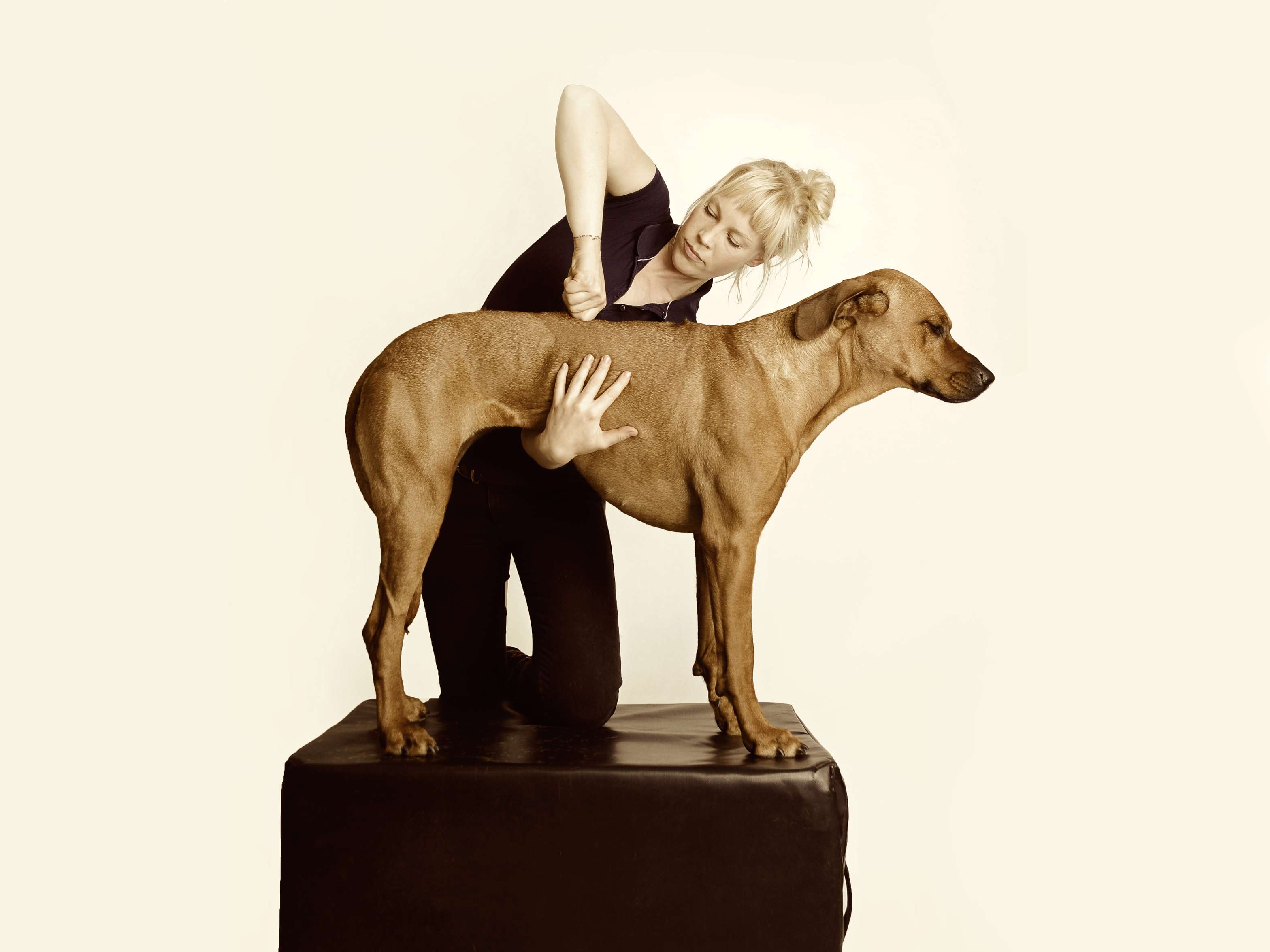
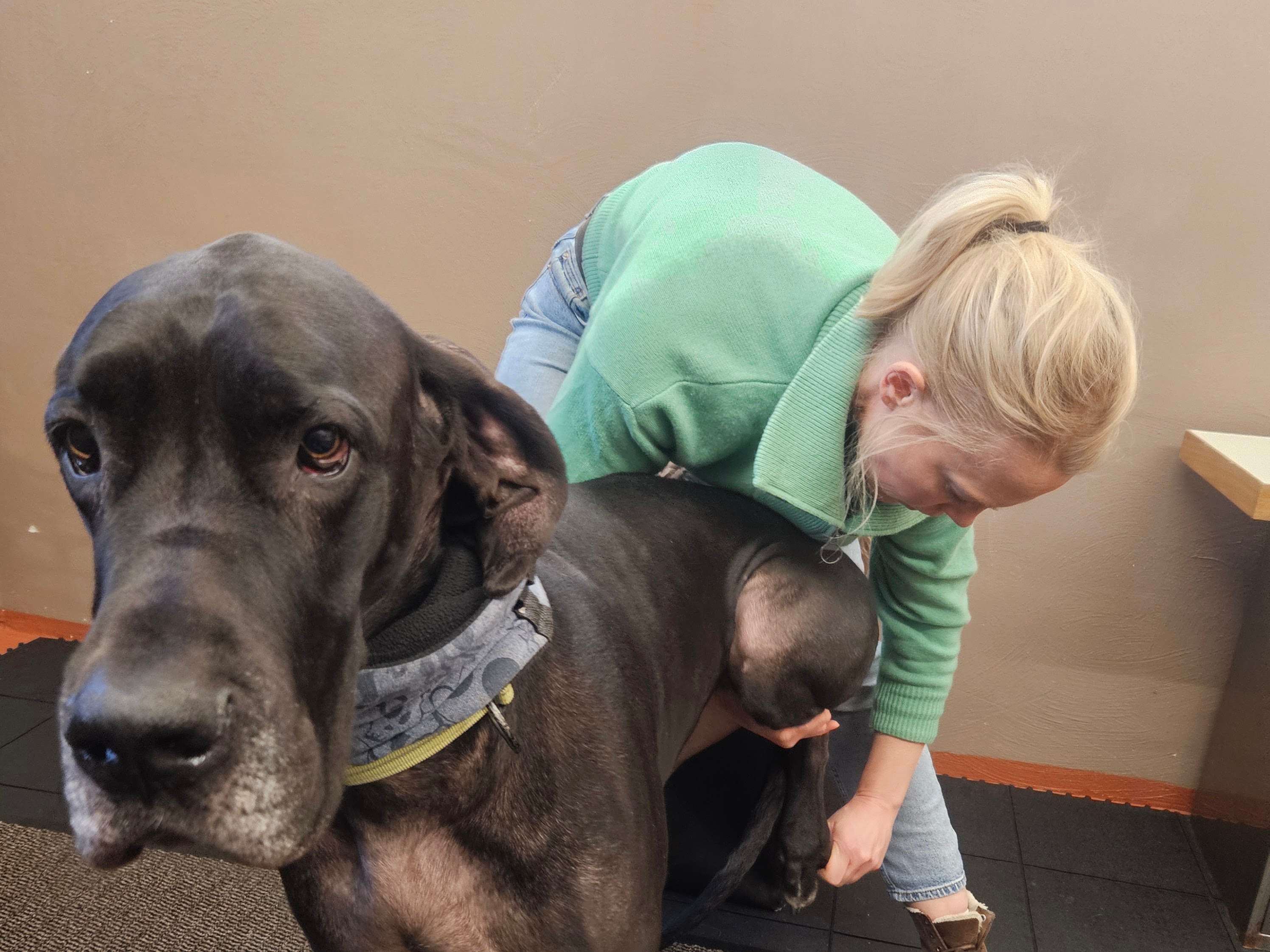
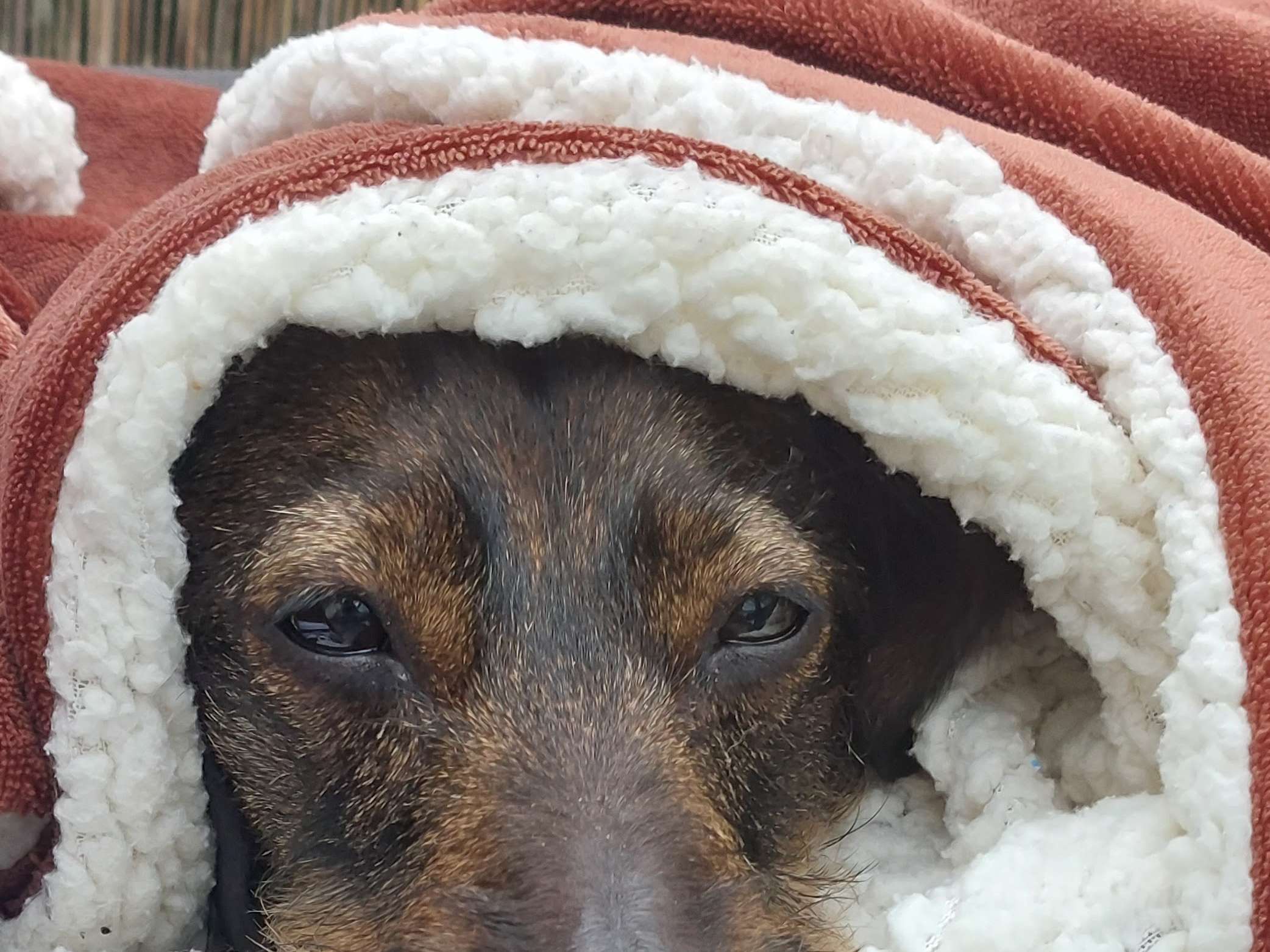
The practice specializes in chiropractic care for dogs and horses. Dogs are treated in a quiet consultation room, while horses are seen in their familiar surroundings in the Berlin area and southern Brandenburg. Every treatment begins with a thorough medical history and an examination at rest and in motion, and for horses a saddle analysis is always included. Precise, quick adjustments release joint restrictions without moving joints beyond their natural range of motion. We treat acute issues such as muscle tension as well as chronic conditions, and regular checkups are recommended for growing, older, or very active dogs.
Treated animals
Small Animals & Pets
- dogs
Large & Farm Animals
- horses
Medical focus areas and specializations
- chiropractic & osteopathy
Appointments & new clients
Spoken languages
- 🇩🇪 German
Contact
- Website
- Email
- Phone
- Facebook
Practice location and mobile service area
Tierärztliche Praxis für Chiropraktik
Practice location
Starstraße 13
14195 Berlin
Germany
House calls
Berlin, Potsdam, Falkensee
Team 1
Reviews
My dachshund was suffering from acute back problems that couldn't be controlled with painkillers. There was a noticeable improvement after the first treatment, and since the second, there have been hardly any problems. A wonderful, empathetic, and friendly veterinarian. I'm so glad I found her.
Ms. Overbeck is a very friendly, empathetic, and highly competent person. Our wirehaired dachshund had muscle tension due to a poor gait following a serious spinal disc surgery 1.5 years ago. Even after the first treatment, she could walk and move much better. We now go there four times a year because we are truly very satisfied with the results. Many thanks to Ms. Overbeck! 😇🐕
Our dog Dattel was walking a bit unsteadily, and we went to Dr. Overbeck on a recommendation. Dr. Overbeck is a very friendly veterinarian who explains each step beforehand. We were very satisfied, and Dattel was walking normally again after the treatment.
I took my dachshund mix to Wiebke about six months ago. He had a slipped disc and couldn't walk without painkillers; even going to the toilet was pure hell for him. After visiting three different vets and getting a different opinion from each (the last one said there was no option but surgery), I came across Wiebke. Based on her reviews and testimonials, I contacted her directly and got an appointment super quickly. What can I say? After three treatments with exercises to do at home, my dog was back to his old self in less than a week! I will definitely always come back for cases like this!
Since I started treating Monty, I've definitely noticed that he's doing better - thank you so much 🙏
Frequently asked questions
Dogs are treated in a quiet practice room so they remain relaxed; if a dog is not anxiety-free there, the treatment can also take place outside. Horses are visited in their familiar surroundings in the Berlin area and southern Brandenburg.
First, the medical history is discussed, then the animal is examined at rest and in motion. If a restriction is found, it is released with a very quick, short adjustment directly on the affected joint; the joint is not overstretched, and the treatment is painless for the animal.
Yes, a saddle analysis is always included for horses because an ill-fitting saddle remains one of the most common causes of back problems in sport horses.
Among other things for stiffness, lameness, lack of muscle development, sensitivity to touch and tension, resistance when riding and tail swishing, as well as digestive and fertility problems. In dogs, restrictions manifest as reluctance to move, an altered gait, neck pain, or urinary dribbling.
That depends on the severity of the problem. For acute issues, one to four treatments are often enough; for chronic conditions, the response generally takes longer and treatment is continued on a regular basis.
For growing, older, or very active dogs, two to four examinations per year are recommended to prevent potential problems.
Veterinary practices nearby

Are you the owner or a team member of this practice? Claim this profile to manage it yourself.