Tierärztliche Praxis für Schafe und Ziegen
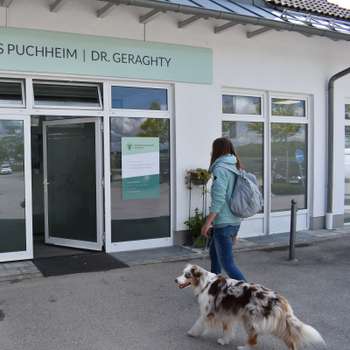
Practice in Pollinger Straße 13, 82205 Gilching, Germany
House calls across the Munich, Fürstenfeldbruck, Geretsried area
Dr. Petra Henze runs a veterinary practice in Gilching that focuses entirely on small ruminants and South American camelids. Individual pet animals are cared for just as much as entire herds, with services ranging from general examinations and pregnancy checks to vaccinations, hoof care, and obstetrics. Blood, faeces, skin, and urine are analysed by the specialist veterinarian for clinical laboratory diagnostics directly in the practice, ensuring test results are available quickly. The practice is equipped for mobile field use and brings ultrasound equipment along; surgeries such as castrations, caesarean sections, and wound management are also part of the services offered.
Treated animals
Large & Farm Animals
- camelids
- goats
- sheep
Medical focus areas and specializations
- dentistry
- gynecology
- parasitology
- surgery
- ultrasound
- vaccinations
- x-ray
Services
- LaboratoryOn-site blood, urine, and tissue analysis
Emergencies
Appointments & new clients
Spoken languages
- 🇩🇪 German
Contact
- Website
- Email
- Phone
Practice location and mobile service area
Tierärztliche Praxis für Schafe und Ziegen
Practice location
Pollinger Straße 13
82205 Gilching
Germany
House calls
Munich, Fürstenfeldbruck, Geretsried
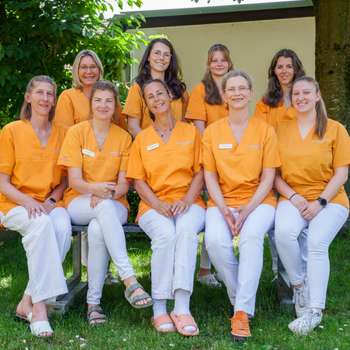
Team 1
Frequently asked questions
Possible vaccinations include those against pasteurellosis, clostridial diseases such as lamb dysentery, pulpy kidney disease, and tetanus, as well as foot rot, chlamydial abortion, and contagious ecthyma. Since Pasteurella and clostridia account for a large proportion of lamb losses, these vaccinations are of particular importance. Following initial immunisation with two doses administered four to six weeks apart, an annual booster is necessary, with goats following a different schedule; vaccinated dams pass on protection to their lambs via colostrum.
Many soils in Upper Bavaria contain little selenium, meaning animals take in too little through their feed. Growing lambs in particular develop a deficiency as a result, which destroys muscle tissue: newborns can die of heart failure, while older animals show a painfully arched back. The diagnosis is confirmed by determining selenium levels in the blood. Pregnant dams and lambs should therefore receive supplemental selenium, as many mineral feeds do not contain enough of it.
Chronic wasting despite deworming and good feeding can indicate paratuberculosis, which mainly affects animals from about two years of age. The pathogen is excreted via faeces, urine, and semen, with lambs and kids up to four months old being particularly at risk. Clarification involves pathogen detection in faeces and antibody detection in serum, though multiple faecal samples are sometimes necessary. There is no treatment; affected animals must be removed from the flock and a sanitation plan must be developed.
Yes. Blood, faeces, skin, and urine are analysed in our own practice, so results are usually available quickly. For specific diagnostic questions, the practice collaborates with external reference laboratories.
Veterinary practices nearby







Are you the owner or a team member of this practice? Claim this profile to manage it yourself.