Tierarztpraxis Dr. Marx
Practice in Am Tannenküppel 4, 36100 Petersberg - Horwieden (Fulda, Germany
House calls across the Fulda, Schlüchtern, Lauterbach area
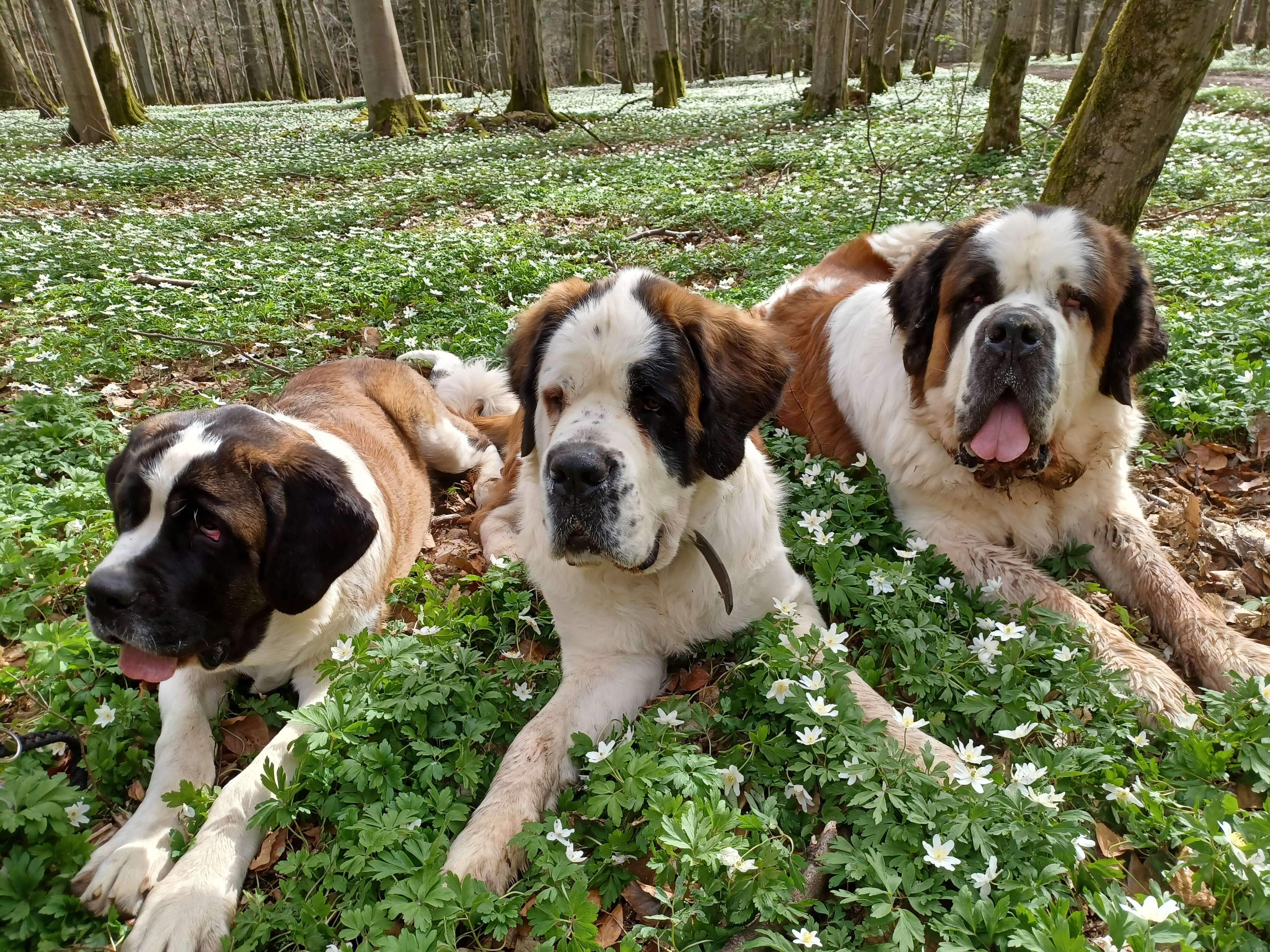
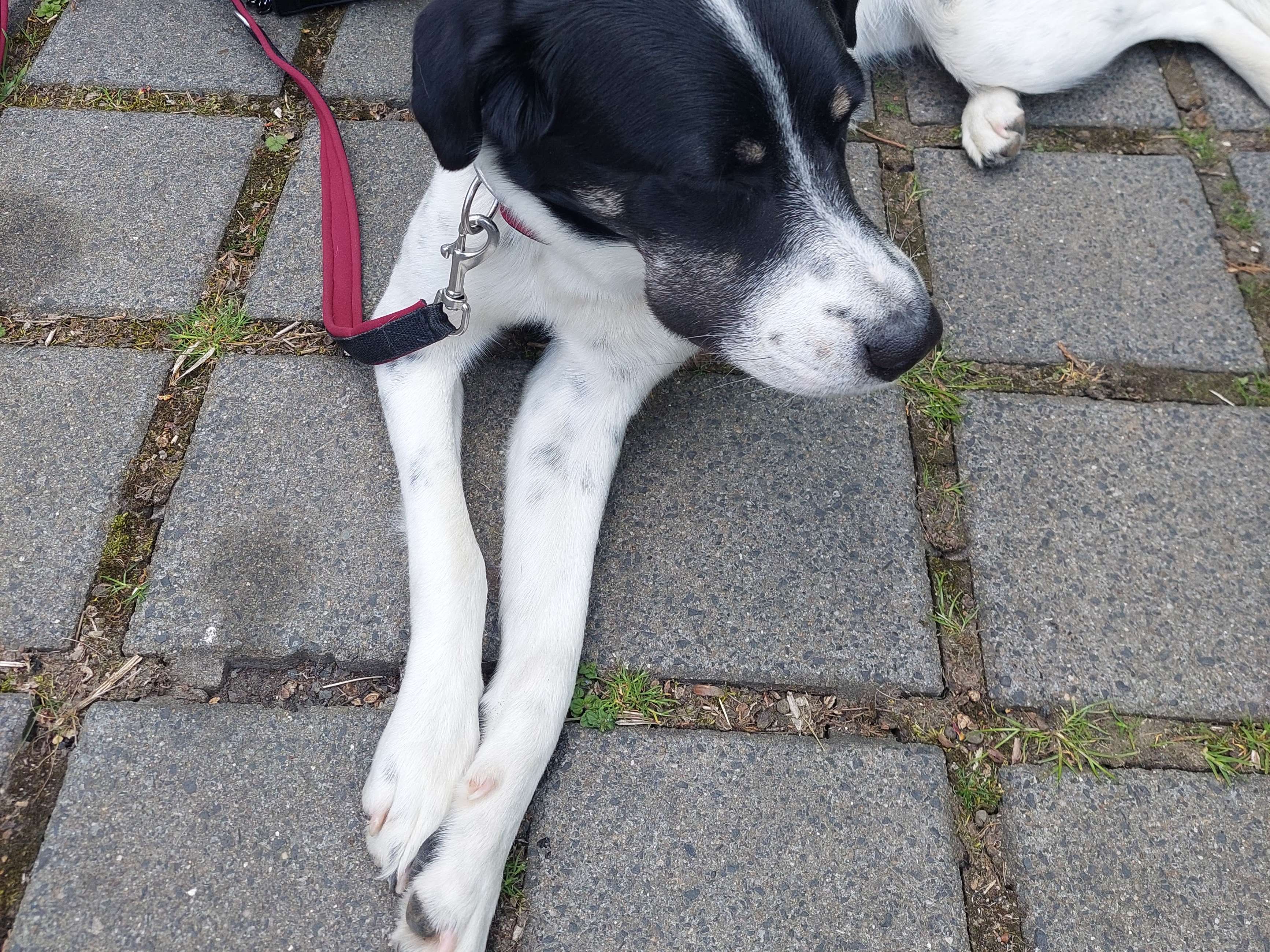
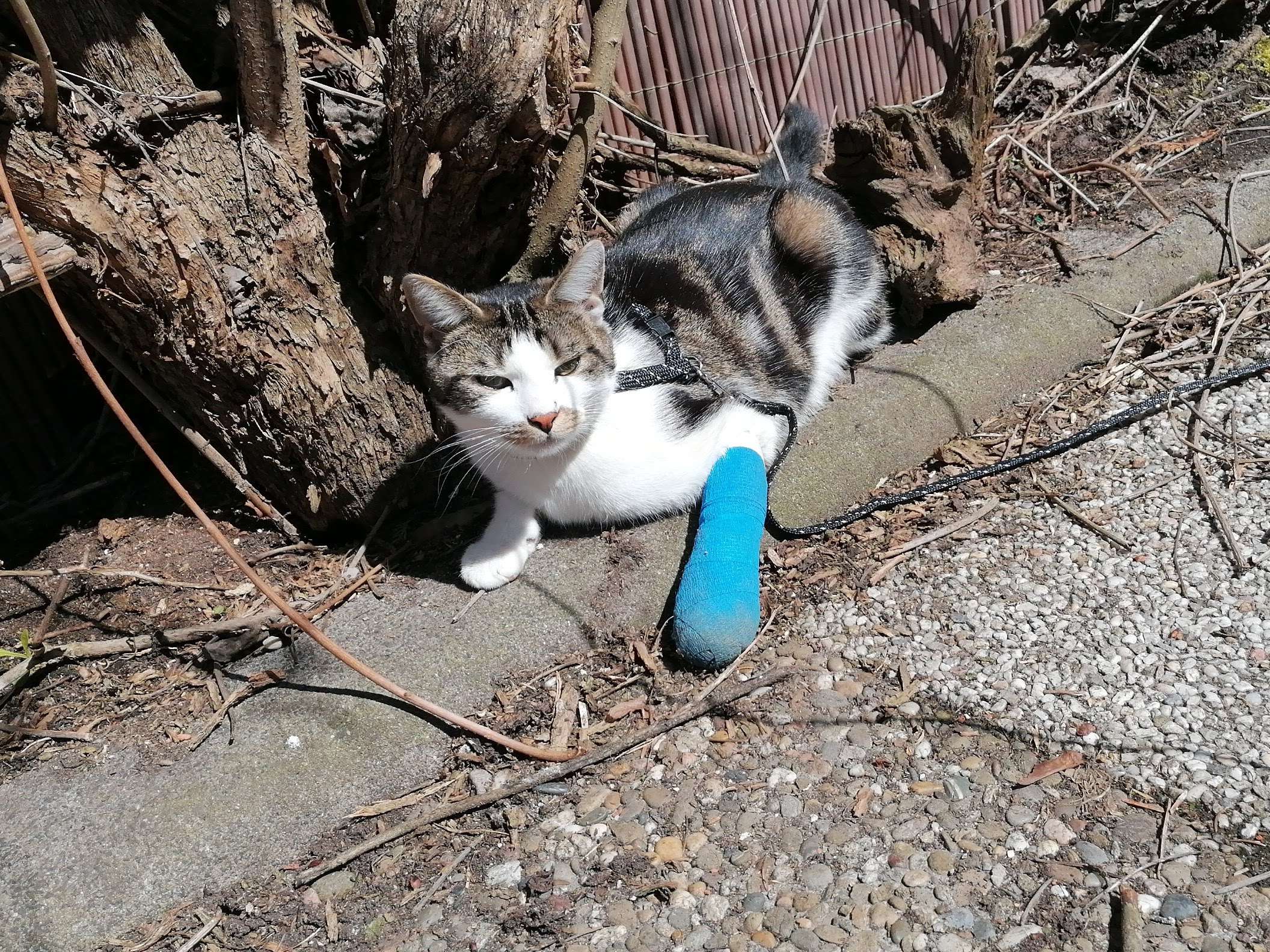
Tierarztpraxis Marx in Horwieden near Fulda is a third-generation family business that has cared for small animals, horses, and livestock since 1948. Dogs, cats, and small pets are seen in our dedicated small animal consultation hours, which cover surgery, dental care, and internal medicine; the team examines horses on-site in the ambulatory service at the stable, while major procedures take place at the practice. Digital X-ray, a cone-beam computed tomography scanner, video endoscopy, and an in-house laboratory allow us to diagnose many conditions directly on-site. Since 1984, the practice has also assisted breeders with the artificial insemination of mares, and an emergency service is available around the clock.
Treated animals
Small Animals & Pets
- cats
- dogs
- rabbits
- small rodents
Large & Farm Animals
- cattle
- horses
- pigs
Medical focus areas and specializations
- acupuncture
- anesthesia
- breeding support
- cardiology
- chiropractic & osteopathy
- CT
- dentistry
- ECG
- endoscopy
- gynecology
- internal medicine
- laser therapy
- ophthalmology
- orthopedics
- physiotherapy
- pre-purchase examination
- surgery
- travel advice
- ultrasound
- vaccinations
- x-ray
Services
- HospitalizationOvernight or multi-day monitoring and care
- LaboratoryOn-site blood, urine, and tissue analysis
Opening hours
- Monday
- 7:30 AM–6:00 PM
- Tuesday
- 7:30 AM–6:00 PM
- Wednesday
- 7:30 AM–6:00 PM
- Thursday
- 7:30 AM–6:00 PM
- Friday
- 7:30 AM–6:00 PM
- Saturday
- Closed
- Sunday
- Closed
Emergencies
Appointments & new clients
Spoken languages
- 🇩🇪 German
Contact
- Book appointment
- Website
- Email
- Phone
- Fax
Practice location and mobile service area
Tierarztpraxis Dr. Marx
Practice location
Am Tannenküppel 4
36100 Petersberg - Horwieden (Fulda
Germany
House calls
Fulda, Schlüchtern, Lauterbach
Team 16
Dr. Rüdiger Marx
Owner & Chief Veterinarian
Dott. Giuseppe Tranchina
Veterinarian
Andrea Hecker-Stupp
Veterinarian
Sarah Zipfel
Veterinarian
Jessica Rader
Veterinarian
Daniela Schultheis
Veterinary Assistant
Juliane Ritzka
Head Veterinary Assistant
Svenja Ullrich
Veterinary Assistant
Helen Stupp
Veterinary Assistant Trainee
Annika Grösch
Veterinary Assistant Trainee
Leonie Gensler
Veterinary Assistant Trainee
Finja Franz
Trainee
Marie-Luise Ullrich
Trainee
Carolin Wehner
Trainee
Isabell Hartmann
Trainee
Nele Hartung
Working Student
Reviews
Super top
Lovely office
Everyone there is friendly and the vet is thorough with the examination! He wants to know the exact symptoms... which wasn't done at the previous practices. My cat had x-rays to clarify a few things. I'm very satisfied with my first visit to the practice.
I've been taking my dogs to Dr. Marx for a very long time and have always been satisfied. This week and in December I saw the young veterinarian; she was very gentle and is a real asset to the team.
The entire practice team is super nice and you feel very well cared for.
Frequently asked questions
Following a preliminary examination, the horse is lightly sedated so we can work calmly and gently. All dental and oral findings are recorded and documented in the examination stocks, and the findings and treatment plan are discussed afterwards. Treatment is usually carried out immediately afterwards using electric dental floats, which restore the balance of the bite and the temporomandibular joint. Complex conditions may require multiple appointments.
The dog undergoes a clinical examination beforehand, supplemented by blood tests or a chest X-ray if needed. During anesthesia, the team monitors mucous membrane color, pulse, heart and respiratory rate, and body temperature; for longer procedures, a pulse oximeter measures oxygen saturation and a capnograph measures carbon dioxide in the exhaled air. An intravenous catheter delivers fluids, and a tracheal tube secures ventilation.
Yes, spaying female dogs is one of the practice's endoscopic procedures. Surgery is performed through two to three small openings in the abdominal cavity, eliminating the need for a large abdominal incision. The dog experiences significantly less pain afterward, recovers quickly, and wears only an abdominal bandage for about a week instead of an Elizabethan collar.
The examination follows a set protocol: first, the horse is observed and palpated while standing, and the heart and lungs are auscultated before and after exertion. This is followed by an examination in motion with flexion tests of the joints. A comprehensive pre-purchase examination includes additional diagnostics such as X-rays, and all notable findings are recorded in the protocol.
We use interference current, low-level laser therapy, magnetic field therapy, manual decongestion therapy, manual therapy, and various massage techniques. Following a gait analysis and joint function test, an individual treatment plan is created in consultation with the veterinarians. A treatment session takes about 30 minutes; three to five appointments are generally necessary for lasting improvement.
Endoscopes must be cleaned and disinfected immediately after every use according to established procedures to prevent pathogens from being transmitted from horse to horse. Therefore, endoscopic examinations are only possible at the practice. There, deep airways down to the branching of the bronchi and the guttural pouches can be assessed via video endoscopy, allowing you to follow the examination live on screen.
Veterinary practices nearby

Are you the owner or a team member of this practice? Claim this profile to manage it yourself.