Veterinärmedizinische Universität Wien (Vetmeduni)
Practice in Veterinärplatz 1, 1210 Wien, Austria

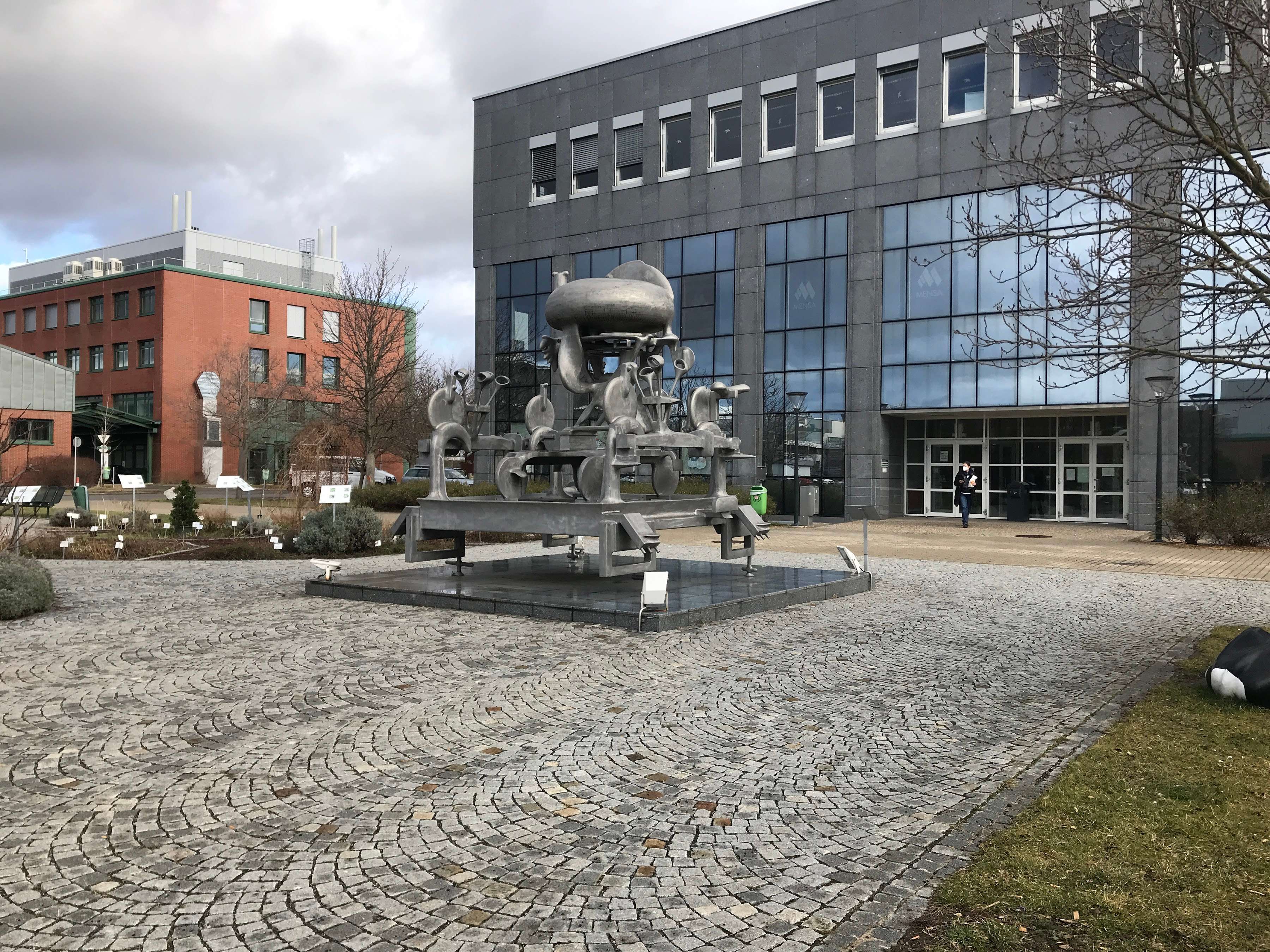
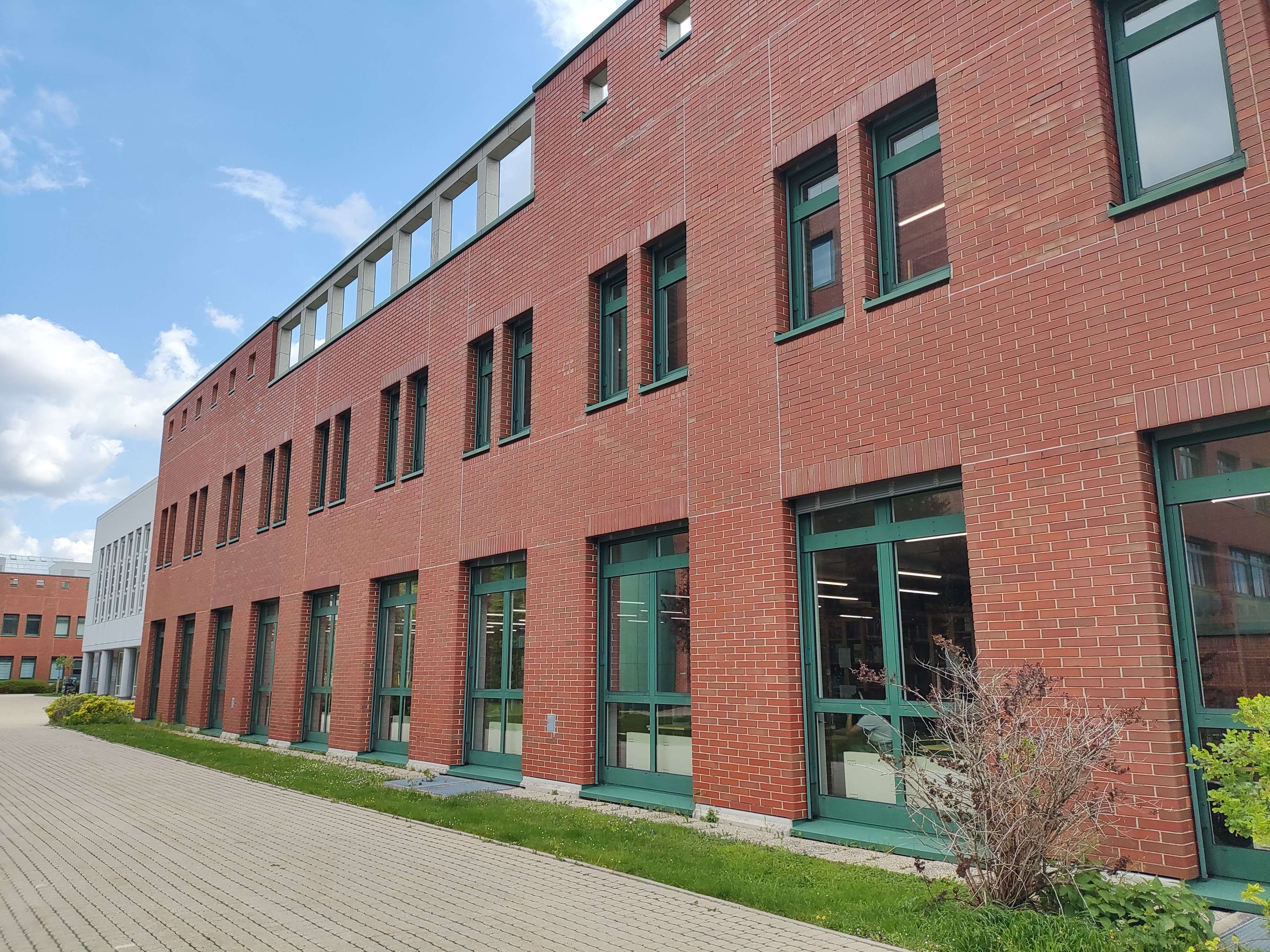
The University of Veterinary Medicine Vienna is Austria's only veterinary educational and research institution and the oldest in the German-speaking world. Its veterinary teaching hospital combines five university clinics and cares for small animals, horses, ruminants, pigs, poultry, and fish—acting as both a teaching hospital for students and a referral clinic for practicing veterinarians. Pet owners can also use these services; specialized outpatient clinics, diagnostic imaging, and dedicated radiation oncology are available for demanding cases. Because the clinic and research are closely intertwined, new insights flow directly into patient care.
Treated animals
Small Animals & Pets
- cats
- dogs
Large & Farm Animals
- camelids
- cattle
- goats
- horses
- pigs
- poultry
- sheep
Fish & Aquatics
- commercial fish
Medical focus areas and specializations
- anesthesia
- dentistry
- internal medicine
- oncology
- ophthalmology
- orthopedics
- parasitology
- surgery
- ultrasound
- vaccinations
- x-ray
Services
- HospitalizationOvernight or multi-day monitoring and care
- LaboratoryOn-site blood, urine, and tissue analysis
Emergencies
Appointments & new clients
Spoken languages
- 🇩🇪 German
Payment methods
Contact
- Website
- Email
- Phone
- Fax
- Facebook
- Instagram
- YouTube
- LinkedIn
Practice location
Veterinärmedizinische Universität Wien (Vetmeduni)
Practice location
Veterinärplatz 1
1210 Wien
Austria
Team 20
Henriette Stocker
Head of Department Administration at the Department of Biomedical Sciences and Pathobiology
Marion Bauer
Head of Department Administration, 1st Deputy (Department of Biomedical Sciences and Pathobiology)
Univ.-Prof. Dr. Mag. Sebastian Glatt
Head of the Department of Biomedical Sciences and Pathobiology
Univ.-Prof. Dr. Doris Wilflingseder
1st Deputy Head of Department (Department of Biomedical Sciences and Pathobiology)
Dr.rer.nat. Dipl.-Biol. Rudolf Moldzio
2nd Deputy Head of Department (Department of Biomedical Sciences and Pathobiology)
Univ.-Prof. Friederike Range
Head of the Department for Interdisciplinary Life Sciences
Priv.-Doz. Zsofia Viranyi
1st Deputy Head of Department (Department for Interdisciplinary Life Sciences)
Ass.-Prof. Matthias Loretto
2nd Deputy Head of Department (Department for Interdisciplinary Life Sciences)
Univ.-Prof. Dr.med.vet. Jessika-Maximiliane Cavalleri
Head of the Clinical Department for Small Animals and Horses
Univ.-Prof. Dr.med.vet. Martina Mosing
1st Deputy Head of Department (Clinical Department for Small Animals and Horses)
Univ.-Prof. Dr.med.vet. Eva Schnabl-Feichter
2nd Deputy Head of Department (Clinical Department for Small Animals and Horses)
Dr.med.vet. et scient. Rhea Haralambus
3rd Deputy Head of Department (Clinical Department for Small Animals and Horses)
Katharina Kreml
Head of Department Administration at the Clinical Department for Farm Animals and Food Systems Transformation
Brigitte Waymann
Head of Department Administration, 1st Deputy (Clinical Department for Farm Animals and Food Systems Transformation)
Univ.-Prof. Dr.med.vet. Martin Wagner
Head of the Clinical Department for Farm Animals and Food Systems Transformation
Assoz.Prof. Dr.med.vet. Dieter Liebhart
1st Deputy Head of Department (Clinical Department for Farm Animals and Food Systems Transformation)
Univ.-Prof. Dr.med.vet. Johannes Khol
2nd Deputy Head of Department (Clinical Department for Farm Animals and Food Systems Transformation)
Ao.Univ.-Prof. Dr.med.vet. Sonja Franz
3rd Deputy Head of Department (Clinical Department for Farm Animals and Food Systems Transformation)
Univ.-Prof.in Dr.in Mag.a Martina Marchetti-Deschmann
Head of the Office for Postgraduate Studies
Mag.med.vet. Michaela Pirker
Contact Person for the Office for Postgraduate Studies
Reviews
I had the worst experience of my life at this clinic. They performed unauthorized procedures on my dog, completely disregarding my wishes. I had only requested an ultrasound, yet they took blood from her neck and paws—something especially dangerous for a Chihuahua with a heart condition. They frightened her, punctured her belly despite me already providing X-ray results, and never sought my permission for these unnecessary tests and did experiments on my beloved dog. Tragically, my dog passed away that same day. The clinic took no responsibility for their actions. Even if your pet is in a critical condition, do not take them here. Their negligence and lack of compassion make them completely untrustworthy
6 out of 5 stars for the emergency clinic. Everybody was so nice and reassuring, and they took great care of my kitty and me. Thank you to everybody who was treating us tonight!
Wonderful and compassionate veterinary team! I took my budgie, Kandi, to this university clinic and had an excellent experience. The doctors and staff were incredibly kind, patient, and professional. They took great care of Kandi and paid attention to every detail. When she was discharged, they even prepared a warm water bag, food, and tissues in his carrier, and wrote the medication instructions in English to make everything easier for me. I am truly grateful for their dedication and kindness. Highly recommended!
Hello, We would like to thank the oncology department for the professional approach they have shown during the last two weeks, during which our dog Luna underwent radiotherapy. We would like to thank everyone who took care of Luna.
This is an excellent clinic when you need a specialist for your pet. They provide accurate diagnoses, supported by a wide range of advanced diagnostic tools. However, while they are expected to handle emergencies, appointment availability is often delayed (in our case, by nearly a month) which can be problematic in urgent situations when immediate care is needed.
Frequently asked questions
A referral from your attending family veterinarian is required for the Diagnostic Imaging division as well as the Clinics for Ruminants and for Pigs. Pet owners can make use of all other services at the veterinary hospital directly.
It is advisable to call before admission or travel so the team can prepare for the arrival. If the animal is critically injured or ill, you can also come to the central emergency room of the University Clinic for Small Animals without prior notice.
Familiar, labeled food and treats are welcome if the patient is not eating much during their stay. Personal items should only be brought if they are expendable, as resting areas are cleaned several times a day.
Fees are based on the university's schedule of fees. For longer or cost-intensive treatments, a deposit on the expected costs will be charged, and payment is due when the animal is picked up.
Wild animals of any kind are not accepted on campus. Injured or distressed wild animals found in Vienna can be dropped off at one of the two wildlife drop-off boxes; in justified exceptional cases, a response team will pick them up within the city area.
Animals are generally not allowed to be brought onto the grounds. Exceptions are patient animals, specially registered dogs belonging to university affiliates, and certified assistance dogs.
Yes, registration by phone is required—for scheduled examinations as well as for emergencies. This allows the necessary details to be recorded in advance and the horse's arrival to be prepared.
Veterinary practices nearby


Are you the owner or a team member of this practice? Claim this profile to manage it yourself.