Vierbeiner Reha-Zentrum
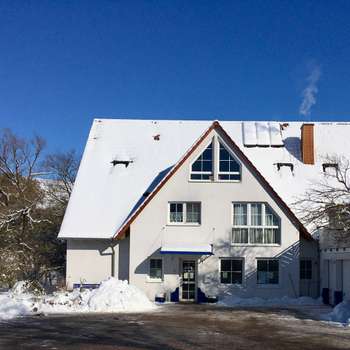
Practice in Doktor-Marc-Straße 4, 34537 Bad Wildungen, Germany
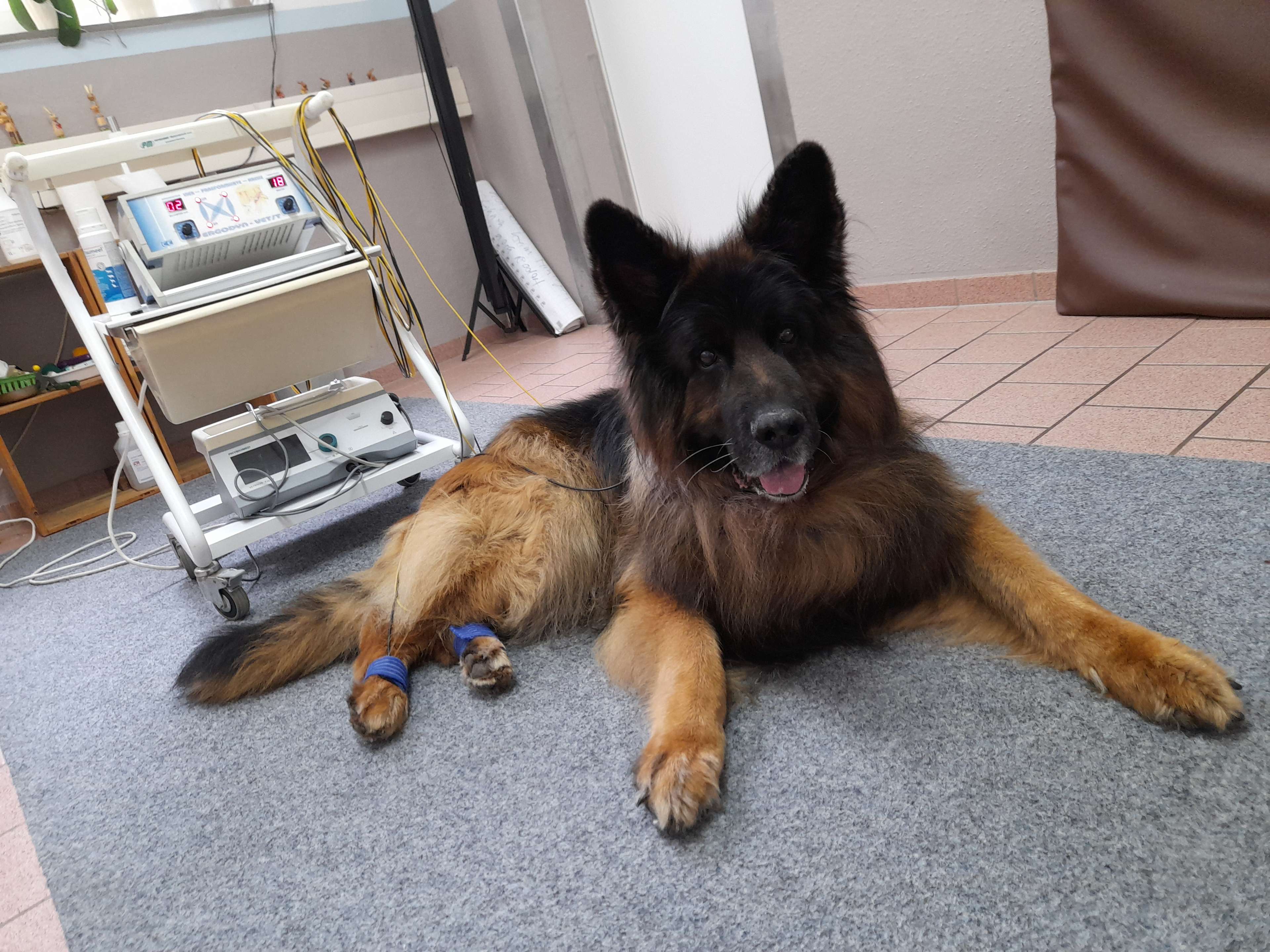
For over 25 years, the Vierbeiner Reha-Zentrum in Bad Wildungen has combined a veterinary physiotherapy practice with an academy for veterinary training and continuing education. At the practice, dogs receive physiotherapeutic support following surgery, accidents, or for chronic conditions such as osteoarthritis and back problems, complemented by osteopathy, acupuncture, neural therapy, and gold bead implants. Every treatment is based on a thorough musculoskeletal diagnosis involving gait analysis and a manual examination, which leads to an individualized treatment plan. Appointments are scheduled in a quiet atmosphere so that the animals can relax.
Treated animals
Small Animals & Pets
- cats
- dogs
Large & Farm Animals
- cattle
- horses
Medical focus areas and specializations
- acupuncture
- chiropractic & osteopathy
- nutrition counseling
- orthopedics
- physiotherapy
- x-ray
Opening hours
- Monday
- 9:00 AM–6:00 PM
- Tuesday
- 9:00 AM–6:00 PM
- Wednesday
- 9:00 AM–6:00 PM
- Thursday
- 9:00 AM–6:00 PM
- Friday
- 9:00 AM–6:00 PM
- Saturday
- Closed
- Sunday
- Closed
Appointments & new clients
Spoken languages
- 🇩🇪 German
Contact
- Website
- Email
- Phone
- Fax
- Facebook
- Instagram
- YouTube
Practice location
Vierbeiner Reha-Zentrum
Practice location
Doktor-Marc-Straße 4
34537 Bad Wildungen
Germany
Team 22
Stefanie Süße
Managing Director, Veterinarian
Dr. med. vet. Katrin Voigt
Veterinarian with Additional Qualification in Behavioral Therapy
Cornelia Giacinto
Veterinarian
Dr. med. vet. Anke Utsch
Lecturer
Thomas Kreis
Veterinarian
Dr. med. vet. Andreas Zohmann
Veterinary Director
Prof. Dr. med. vet. Stephan Neumann
Lecturer
Reinhold Scharwey
Human Physiotherapist, Veterinary Physiotherapist
Lisa Zohmann-Sorger
Veterinarian Physiotherapist, Lecturer
Luca Sophie Wolf
Head Veterinary Physiotherapist, Lecturer
Dr. med. vet. Ines Holz
Lecturer
Dr. med. vet. Emiel van den Bosch
Lecturer
Prof. Dr. Martin Fischer
Lecturer
Jörg Hanstein
Human Physiotherapist, Veterinary Physiotherapist
Gregor Konrad
Veterinarian
Dr. med. vet. Anne-Cathérine Agema
Lecturer
Dr. med. vet. Cordula Gieren
Lecturer
Dr. med. vet. Markus Kasper
Lecturer
Dr. med. vet. Maja Eichhorn
Lecturer
Jacqueline Bücker
Veterinary Physiotherapist
Ellen Schubert
Veterinary Physiotherapist, Lecturer
Dr. med. vet. Harald Pothmann
Lecturer
Reviews
Top
Top! 👌
Following my training as a canine physiotherapist, the canine osteopathy course is my third advanced training at the Four-Legged Rehabilitation Center, and it reaffirms the high medical standards of the work and teaching done here. The content goes far beyond common techniques and, in my opinion, represents the responsible and reputable work that I would like to see more often in veterinary medicine. Thank you for your work!
The training to become a small animal physiotherapist at the Vierbeiner Reha-Zentrum (Four-Legged Rehabilitation Center) is simply outstanding, both professionally and personally. The content is very well structured, practical, and easy to understand. Theory and practice are seamlessly integrated, ensuring you feel perfectly prepared for your future work. All the instructors are extremely competent and dedicated, and they take plenty of time to answer all your questions. I find the numerous practical examples and exercises particularly valuable. I have never regretted my decision to complete my training at the Vierbeiner Reha-Zentrum in Bad Wildungen. I am very grateful that, even as someone changing careers, I can benefit from the instructors' wealth of experience. A high-quality training program, full of heart and expertise – highly recommended!
The basic canine osteopathy course is very informative, and everything you're supposed to implement is checked again by an instructor. This gives you confidence and is ideal for correct application. Everyone is very friendly and has incredible expertise. I'm already looking forward to the further seminars.
Frequently asked questions
First, we take a detailed medical history during a discussion. This is followed by a gait analysis, a manual examination of the muscles and joints, and an assessment of joint function, with a neurological examination added if necessary. Existing X-rays are evaluated and can be supplemented before an individual treatment plan is drawn up.
Yes. Diagnosis and treatment instructions are provided by the veterinarian, while veterinary physiotherapy implements the prescribed measures. Following a gold bead implantation, a referral back to the primary veterinarian with a treatment report is provided upon request.
The primary veterinarian must confirm that the animal is fit for anesthesia, for instance through blood tests and a cardiac check. Please bring along any existing reports and X-rays; the practice will check whether additional imaging is required. Following the procedure, the animal must be kept on a leash for 14 days, and physiotherapeutic aftercare supports a successful recovery.
Veterinary practices nearby

Are you the owner or a team member of this practice? Claim this profile to manage it yourself.