Zahn Tierarztpraxis Dr. MAHR
Practice in Breitenfurter Straße 83, 1120 Wien, Austria

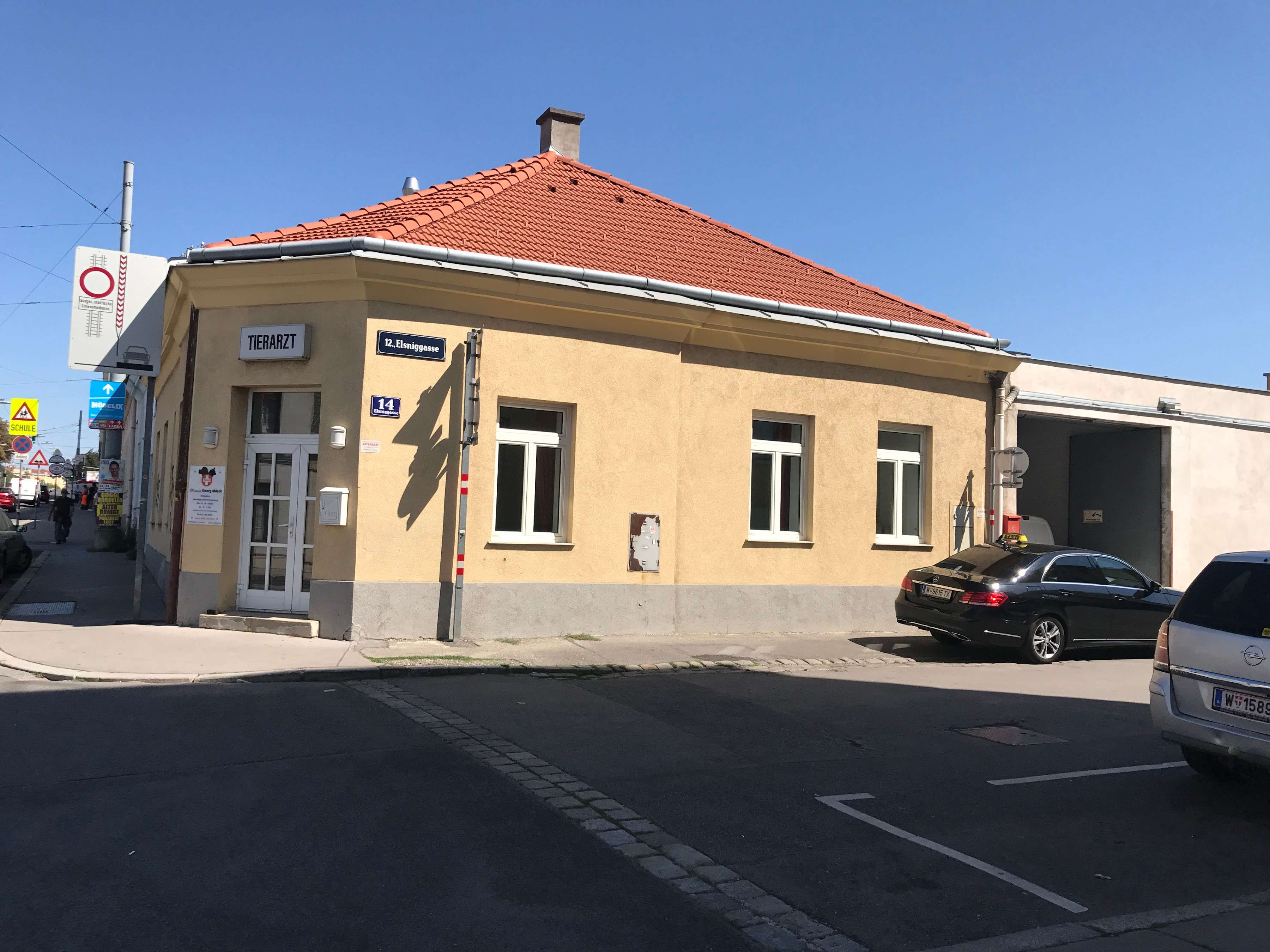
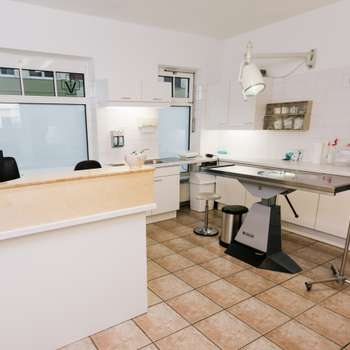
For dogs, cats, or rodents with dental problems, this practice in Vienna offers care specialized in veterinary dentistry. The focus is on preserving the teeth: root canal treatments, fillings, restorations of broken teeth, and orthodontic adjustments for misaligned teeth are just as much a part of this as jaw surgery and dental radiography. Treatment is carried out exclusively under anesthesia, which follows human medical standards with inhalation and continuous monitoring of all vital functions. The animals usually come on referral from their primary care veterinarian, whose preliminary examination and blood tests form the basis for selecting the appropriate anesthetic medications. The gentlest option that preserves the teeth as best as possible is chosen individually for each patient.
Treated animals
Small Animals & Pets
- cats
- dogs
- small rodents
Medical focus areas and specializations
- anesthesia
- dentistry
- surgery
- x-ray
Opening hours
- Monday
- 9:00 AM–6:00 PM
- Tuesday
- 9:00 AM–6:00 PM
- Wednesday
- 9:00 AM–6:00 PM
- Thursday
- 9:00 AM–6:00 PM
- Friday
- 9:00 AM–3:00 PM
- Saturday
- Closed
- Sunday
- Closed
Appointments & new clients
Spoken languages
- 🇩🇪 German
Contact
- Website
- Email
- Phone
Practice location
Zahn Tierarztpraxis Dr. MAHR
Practice location
Breitenfurter Straße 83
1120 Wien
Austria
Team 1
Reviews
Unfortunately I am not happy with the service. The doctor has not removed all the teeth that he should have. As a result my cat needed another teeth removal procedure not long afterwards.
Knowledgeable about pet teeth.
He took care of our cat again today. Absolutely competent, loving towards the animals, and always provides medication, meaning he acknowledges that animals also experience pain (which isn't always the case!). He doesn't do anything unnecessary and is completely transparent about everything. The animal's well-being is more important to him than profit for himself or convenience for the owners.
A very competent veterinarian with a heart. Our cat came through a tooth extraction brilliantly thanks to him. All our questions were answered openly. We would gladly go back!
I took two of my three cats to him. Unfortunately, I got one back completely toothless, which naturally worried me a bit... but the dental surgeries were almost six months ago now, and there haven't been any problems since. No complications, everything healed incredibly well and quickly! Dr. Mahr also takes the time to answer all my questions and helped alleviate my fears about potential complications. Apart from that one time, I didn't talk to him much, but I immediately had the feeling that "he knows what he's doing." Finding a doctor where you truly feel you're in good hands, whether for people or animals, is unfortunately rare these days. The price was also perfectly reasonable! I hope I don't have to take another animal to a dentist, but if I do, it will only be to Dr. Mahr!! Thank you so much, Mr. Mahr, my cats are doing so much better!
Frequently asked questions
No. In many cases, tooth-preserving treatment is possible and is even the better choice. Freshly broken teeth can be sealed with a filling, and teeth that have already died can be saved with a root canal treatment. A dental X-ray beforehand shows whether there is an inflammatory focus at the root.
Bring your pet in fasting at the agreed time – the last feeding should have taken place no later than the evening before. It can and should drink water until the appointment. The referral also requires your primary care veterinarian's anesthesia clearance with a general examination and blood test; a brief clinical check-up follows before the procedure.
Due to instinct and appetite, animals usually show tooth pain only very late. Warning signs are bad breath, discolored teeth with grayish-brown deposits, inflamed gums, bleeding from the oral cavity, and refusal to eat. Such signs should be evaluated quickly because bacteria can enter the bloodstream through inflamed areas and damage the heart, kidneys, and liver.
With FORL, the body dissolves its own teeth, beginning at the dental neck, which creates very painful defects and causes teeth to break off later without force. The progression cannot be stopped, which is why extraction of the diseased teeth is usually the best treatment. The disease is diagnosed during the examination of the oral cavity and, above all, through X-rays, which also show lesions at the tooth root.
You come with a referral form so that it is clear who the patient goes back to after the treatment. Post-treatment care is discussed afterwards and carried out by your primary care veterinarian. During the procedure, vital functions are monitored for the entire duration of treatment, and your pet may go home as soon as it is completely awake and fit again.
Veterinary practices nearby



Are you the owner or a team member of this practice? Claim this profile to manage it yourself.