Osteoarthritis
A chronic, progressive joint disease in dogs and cats caused by cartilage breakdown, leading to pain, stiffness, and reduced mobility over time.
Also known as OA, Degenerative Joint Disease, Arthritis, DJD
Osteoarthritis is a chronic, progressive joint disease that develops when the cartilage cushioning a joint gradually breaks down, leading to inflammation, bony changes, and pain over time. It is one of the most common causes of long term discomfort in both dogs and cats, and it tends to sneak up on owners because the changes happen gradually rather than overnight.
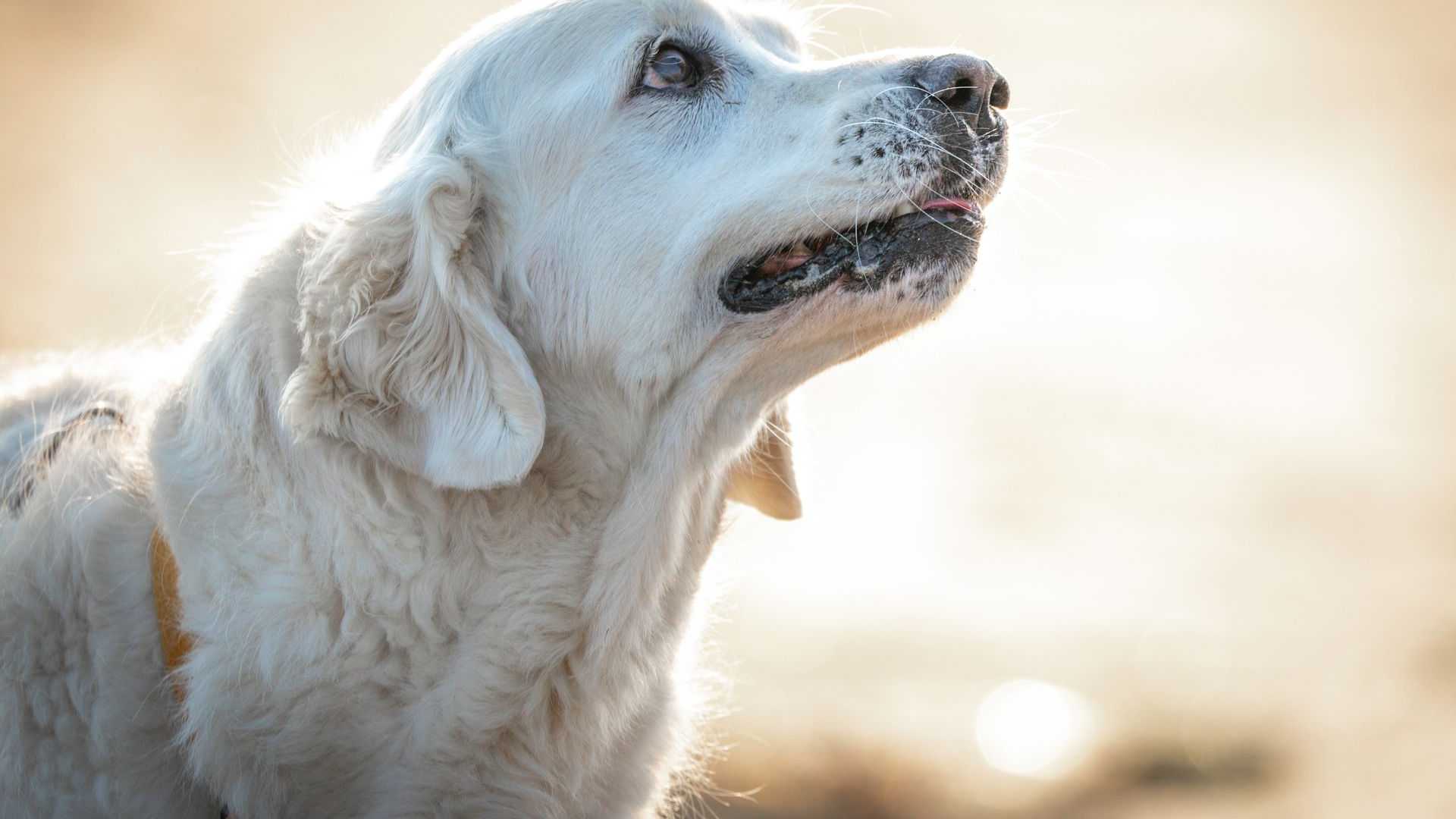
In dogs, research summarized by the American Veterinary Medical Association journal suggests osteoarthritis affects around 20% of dogs over one year old, rising to about 90% of dogs over five years old. It often follows on from developmental joint conditions such as hip or elbow dysplasia, ligament injuries, or simply years of normal wear on the joints. Because dogs are usually active and share daily routines with their owners, changes like slowing down on walks, hesitating before jumping into the car, or stiffness after resting are often the first things people notice.
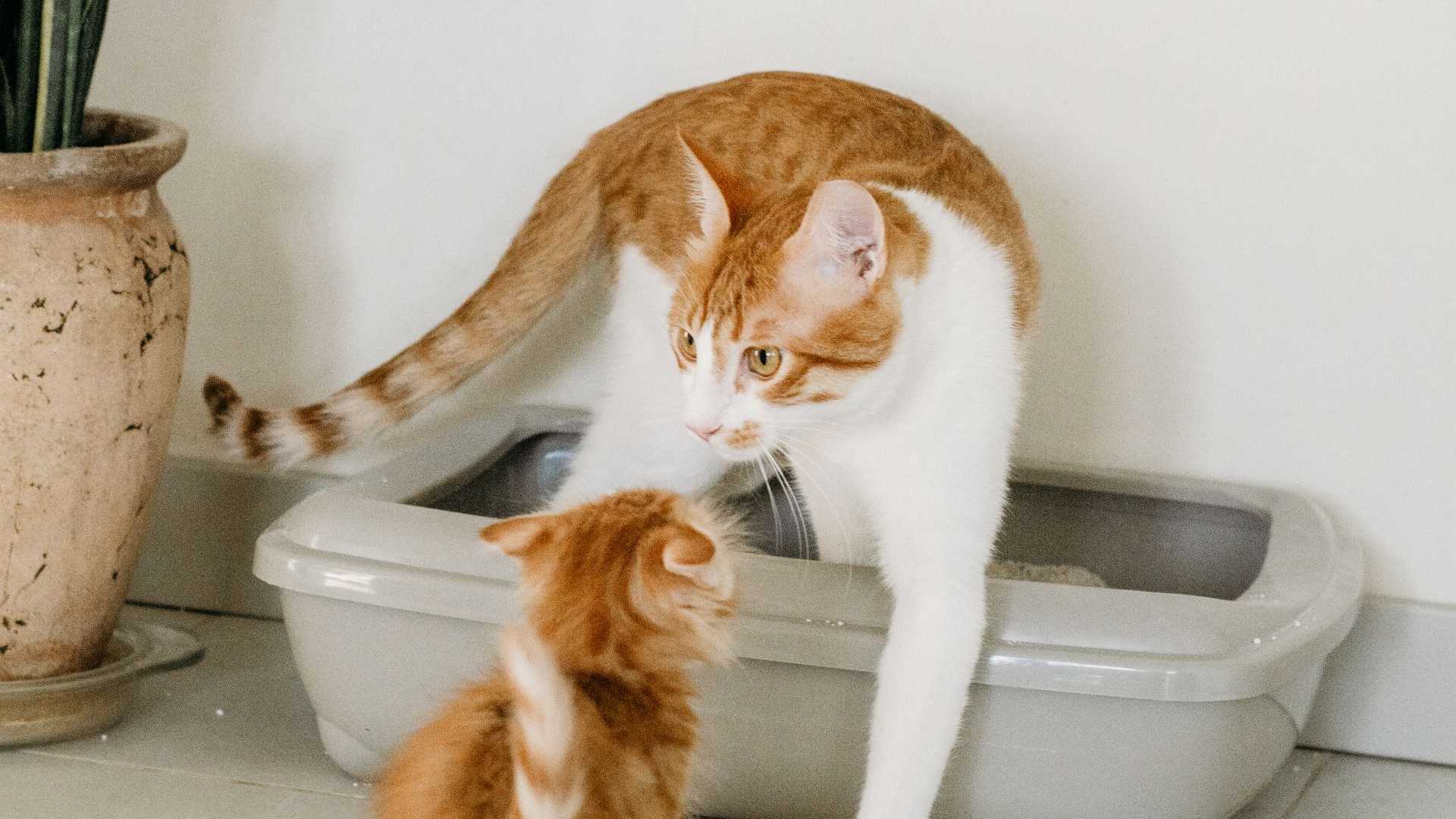
Cats are affected just as often, if not more, but the disease looks very different in them. Studies looking at x-rays of cats over six years old have found joint changes in a large majority, with one commonly cited study finding OA was most prevalent in the shoulders, elbows, hips and tarsal joints with 61% of cats having OA in at least one joint and 48% in more than one joint. Cats rarely limp the way dogs do. Instead, the signs are subtle and behavioral, such as weight loss, loss of appetite, changes in general attitude, poor grooming, going to the toilet outside the litter tray, and struggling to jump on and off furniture. These signs overlap with other common feline illnesses like kidney disease or an overactive thyroid, which is part of why feline arthritis is so often missed or written off as normal aging.
A few things make a pet more likely to develop osteoarthritis, including:
- Being overweight, which puts extra load on every joint
- Past injuries or joint surgeries
- Structural issues like hip or elbow dysplasia, cruciate ligament disease, or a kneecap that slips out of place
- Certain larger or heavier breeds in dogs, and simply getting older in both species
There is no cure for osteoarthritis, but it can usually be managed well once it is recognized. A vet examination, and sometimes x-rays, helps confirm what is going on, although it is worth knowing that the severity seen on an x-ray does not always match how much pain an individual pet is actually in. The condition tends to progress slowly, so the earlier it is picked up, whether through a routine senior check or because you have noticed your pet moving or behaving differently, the more options there are for keeping them comfortable and active for longer. If you notice stiffness, reluctance to jump or climb stairs, or unexplained changes in mood, appetite, or grooming, it is worth a conversation with your vet rather than putting it down to age alone.