Wellness Exam
A wellness exam is a routine nose-to-tail checkup for a healthy pet, designed to catch developing health issues early before symptoms appear.
Also known as Annual Checkup, Wellness Visit, Routine Physical Exam, Preventive Care Exam, Health Checkup
A wellness exam is a checkup for a pet who isn't sick, and that's exactly the point. Rather than waiting for a limp or a lump to show up, this visit gives your vet a full picture of how your dog or cat is doing right now, so anything quietly going wrong has a chance of being caught early, while it's still easy to manage.
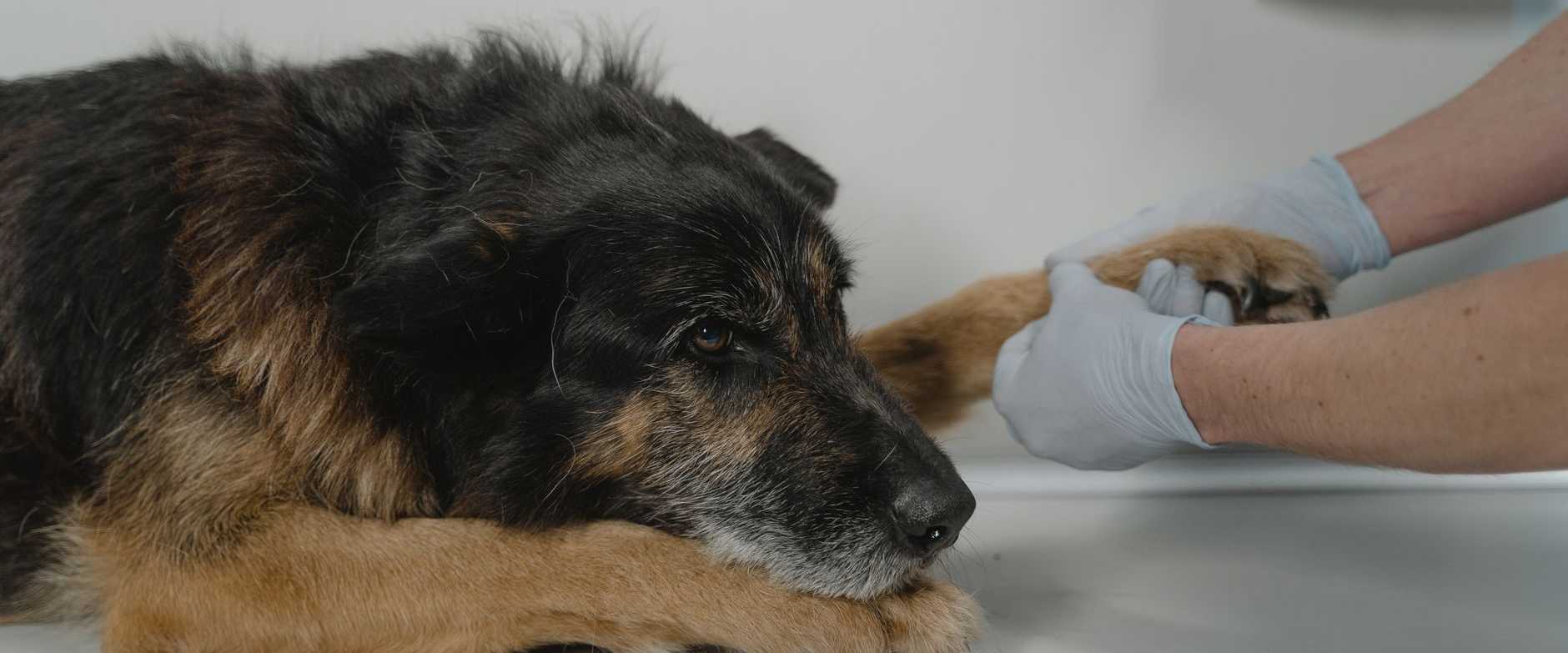
In practice, this means a nose-to-tail physical check: eyes, ears, teeth and gums, skin and coat, heart and lungs, joints, abdomen, and weight, alongside a conversation about eating habits, energy, thirst, toileting and behaviour at home. Depending on your pet's age and history, the vet may also suggest bloodwork, a urine test, or a stool check for intestinal parasites, since some organs can be quietly struggling well before an animal shows any outward signs. This is also the natural moment to keep vaccinations and parasite prevention (fleas, ticks, worms, heartworm) on schedule, and to talk through anything on your mind, from a new food to a strange new habit.
How often this should happen depends mostly on age. Puppies and kittens need several visits in their first months of life, roughly every three to four weeks between six and twenty weeks old, to keep pace with vaccines and rapid development. Once a dog or cat settles into adulthood, both the American Animal Hospital Association and the American Veterinary Medical Association consider a yearly exam the baseline for keeping a healthy pet healthy. From around age seven (a little earlier for large dog breeds), most vets recommend stepping this up to twice a year, since a lot can change internally in six months for an older animal, and the AAHA's senior care guidelines back this shift with more frequent bloodwork and screening alongside the physical exam.
A few things can push a pet toward more frequent visits regardless of age: a chronic condition like arthritis or kidney disease, a breed prone to particular problems (flat-faced breeds and breathing, for instance, or certain breeds and heart disease), or a lifestyle with more exposure to parasites and other animals.
None of this replaces a same-day visit if your pet is actually unwell. A wellness exam is about the in-between times, building a health baseline so your vet can spot the small shifts a pet can't tell you about themselves. The guides below go deeper into specific life stages, tests, and what to expect at each visit.