The Whole Horse
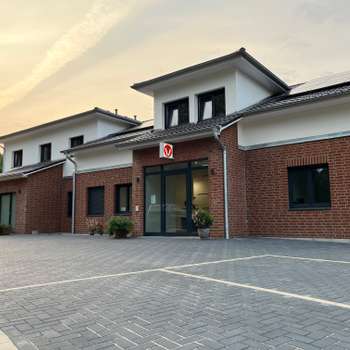
Practice in Krelingen 48, 29664 Walsrode, Germany
House calls across the Neustadt am Rübenberge, Walsrode, Wedemark area
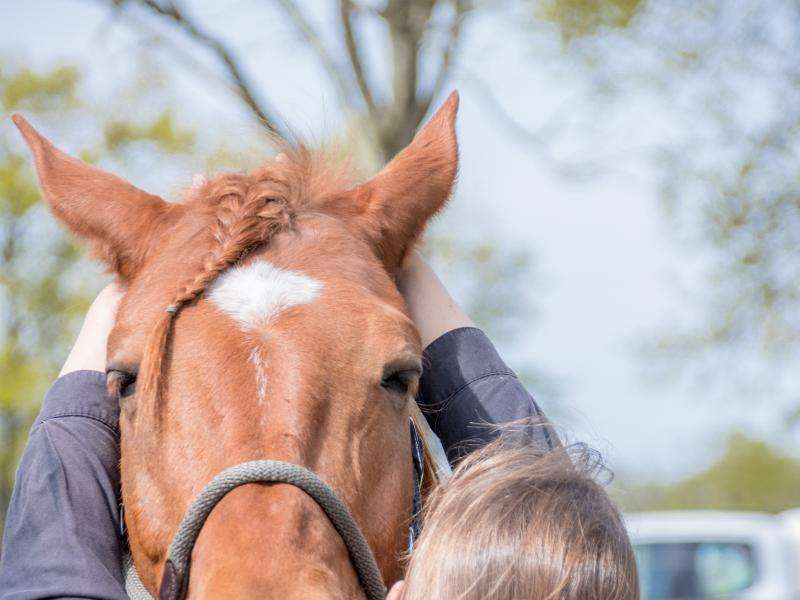
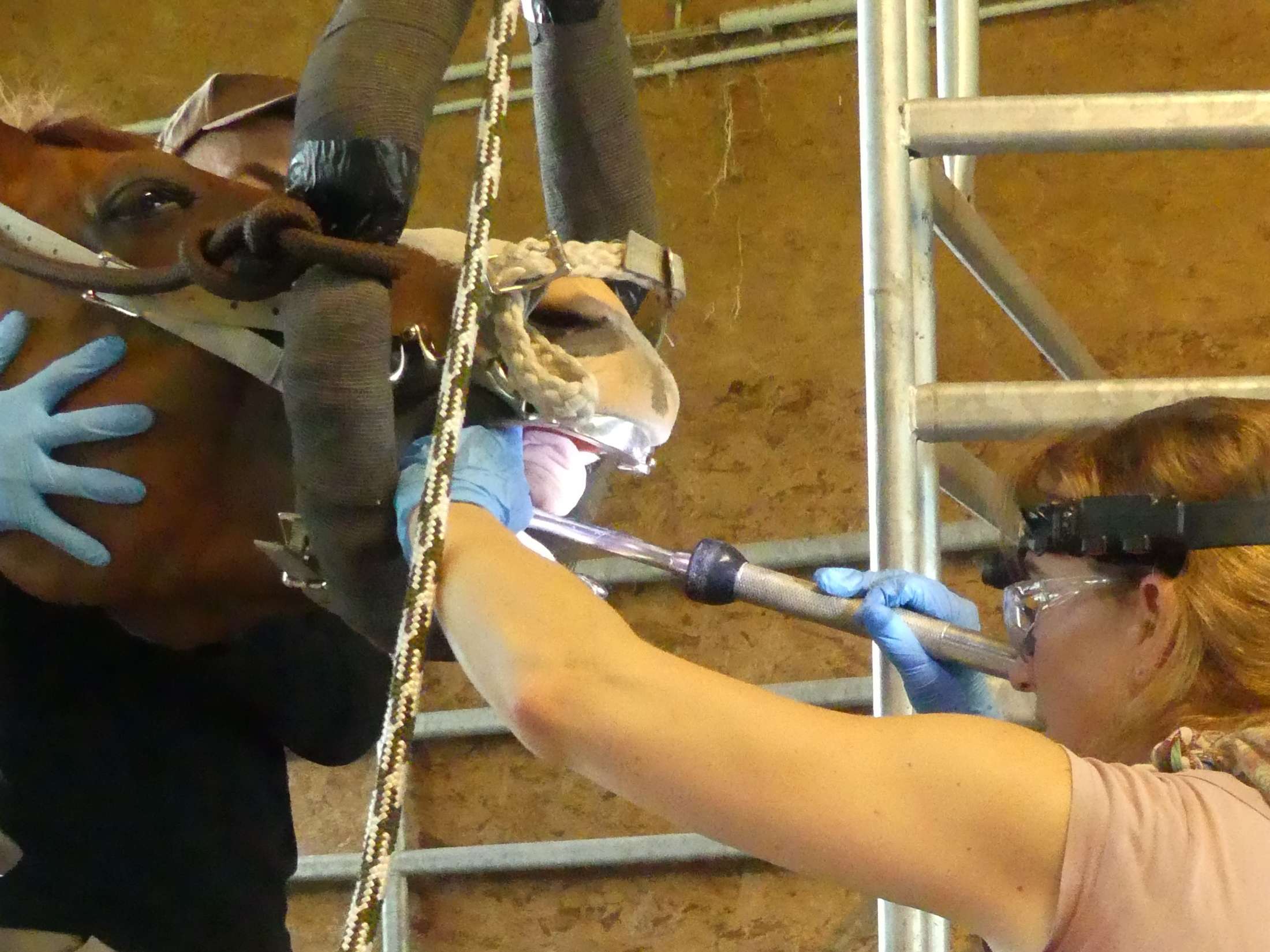
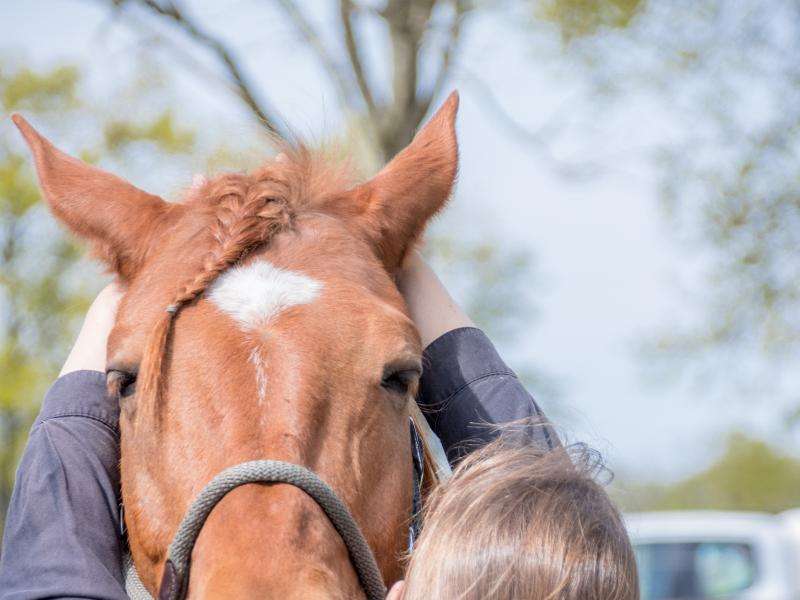
The Whole Horse is the veterinary practice of Dr. Katharina Quiggle in Walsrode, looking at the horse as a whole—from medical care to housing and training. Main areas of focus include chiropractic care for horses and dogs, equine dental treatment, and management consulting. Treatment usually takes place at your home in the horse's stable, using modern equipment and according to veterinary standards. Where appropriate, the veterinarian collaborates with your primary care vet, farriers, or saddlers. A particular priority of hers is educating horse owners themselves so that problems and illnesses can be prevented in the first place.
Treated animals
Small Animals & Pets
- dogs
Large & Farm Animals
- horses
Medical focus areas and specializations
- chiropractic & osteopathy
- dentistry
Opening hours
- Monday
- 9:00 AM–5:00 PM
- Tuesday
- 9:00 AM–5:00 PM
- Wednesday
- 9:00 AM–5:00 PM
- Thursday
- 9:00 AM–5:00 PM
- Friday
- 9:00 AM–5:00 PM
- Saturday
- Closed
- Sunday
- Closed
Appointments & new clients
Spoken languages
- 🇩🇪 German
Contact
- Website
- Email
- Phone
- Instagram
Practice location and mobile service area
The Whole Horse
Practice location
Krelingen 48
29664 Walsrode
Germany
House calls
Neustadt am Rübenberge, Walsrode, Wedemark
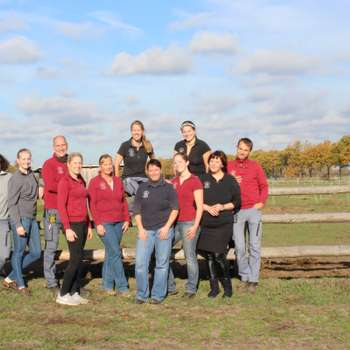
Team 1
Reviews
Great trainer - lots of experience in good old Californian training.
We participated in a cattle handling course. The course was well-structured, the horses were gradually introduced to the cattle, and it was a lot of fun. Thank you so much for the wonderful course, Katharina! ☺️
Frequently asked questions
Yes, chiropractic and dental treatments generally take place at your home or in your horse's stable. For dental treatment, an electricity supply and water are required on-site.
Usually once a year, and in young horses between 2.5 and 5 to 6 years of age even twice a year due to the shedding of their milk teeth. A complete examination is only possible under sedation and with a mouth speculum.
Signs include poor or very slow eating, weight loss, dropping food, issues with the bit while riding, rideability problems, and frequent colic.
In cases of movement disorders, reduced performance, stiffness, muscle tension, sensitivity to touch, irregular gaits, and rideability or behavioral problems. Depending on the workload, preventive treatment is recommended every three to six months.
No. In the event of sudden inability to stand or walk, accidents, or sudden severe lameness, the horse should be presented to the primary care veterinarian first. Chiropractic complements conventional medicine, but it does not replace it.
Veterinary practices nearby


Are you the owner or a team member of this practice? Claim this profile to manage it yourself.