Tierärzte am Nordpark
Practice in Konrad-Zuse-Ring 13A, 41179 Mönchengladbach, Germany
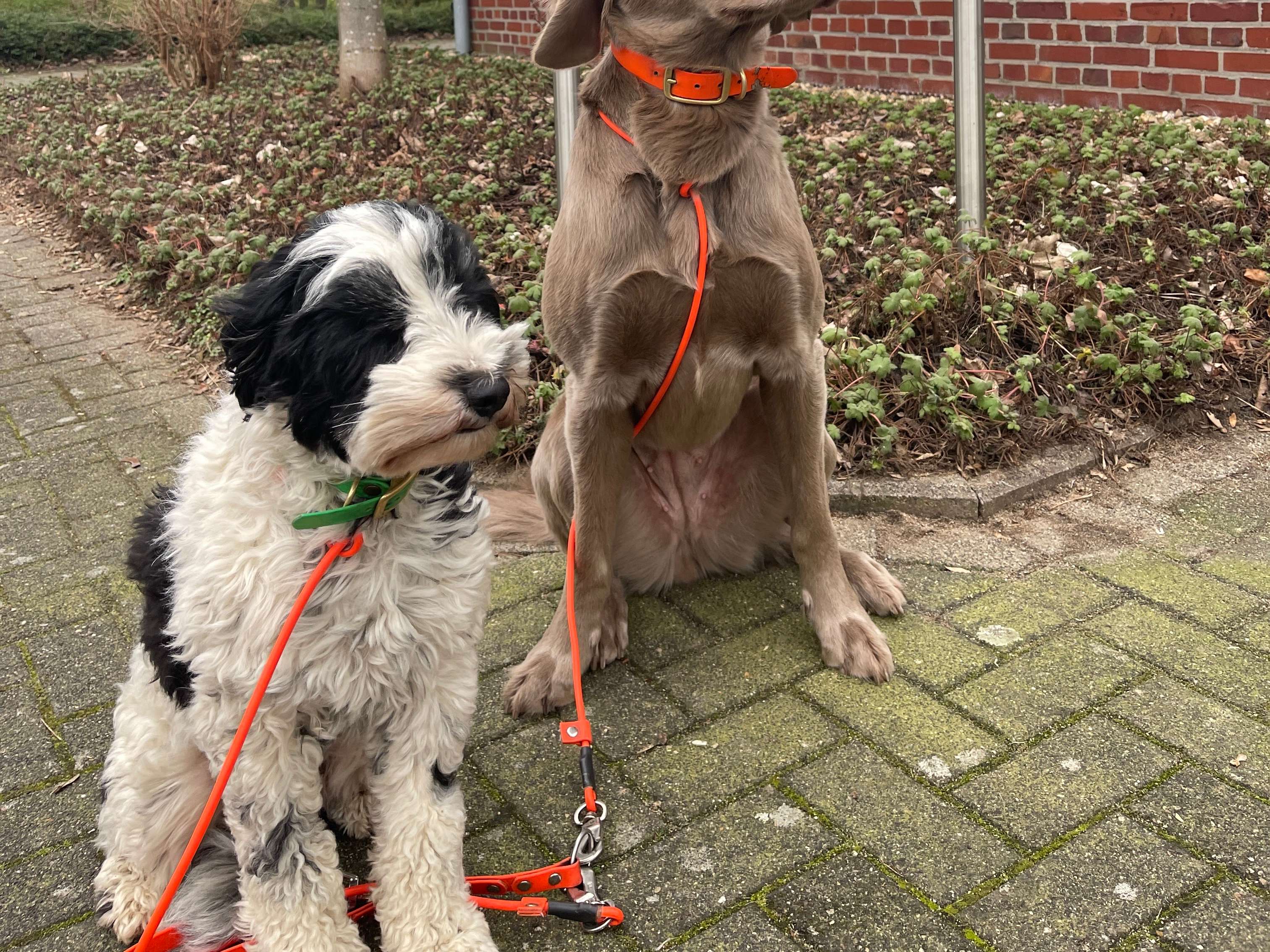
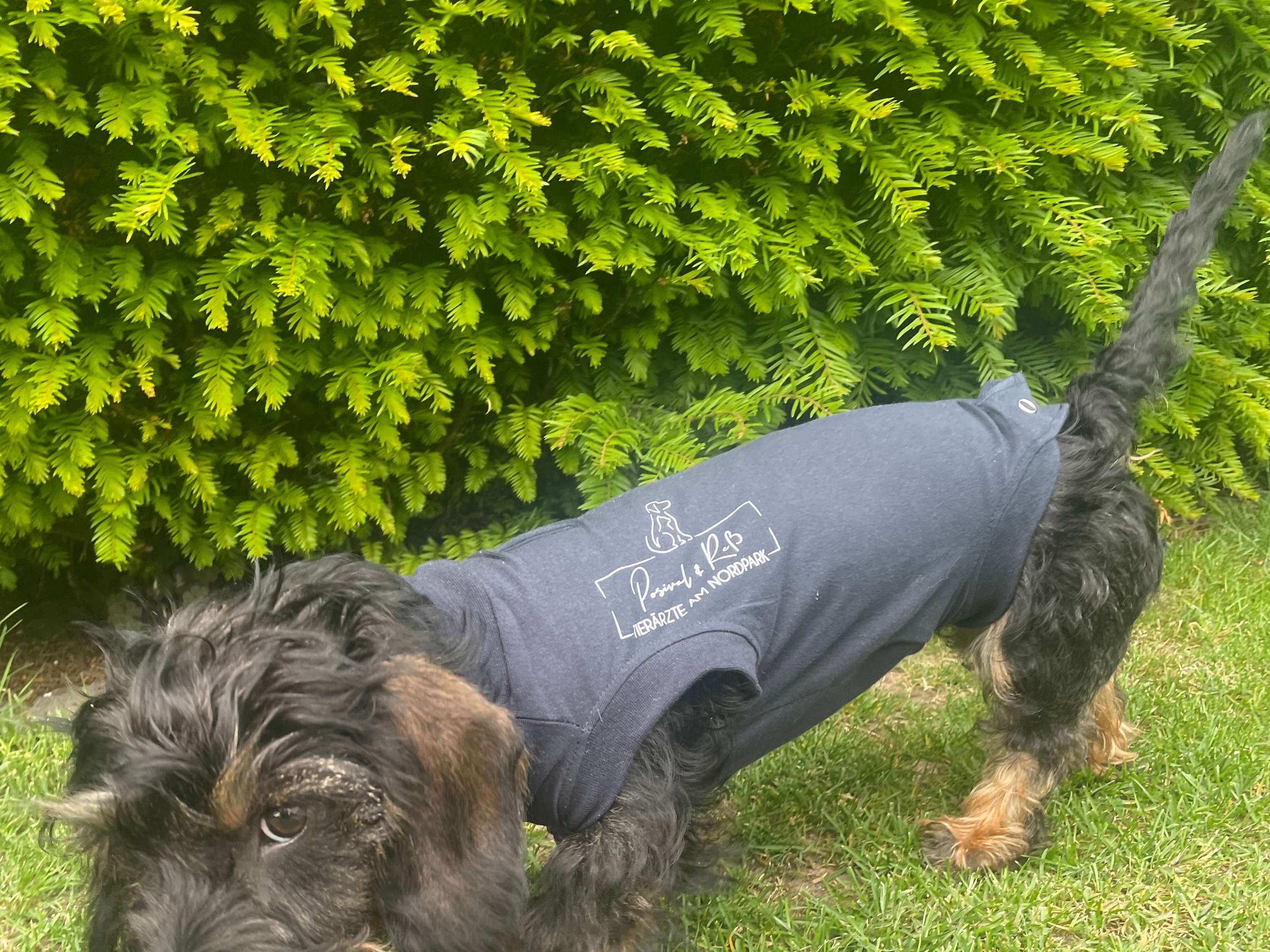
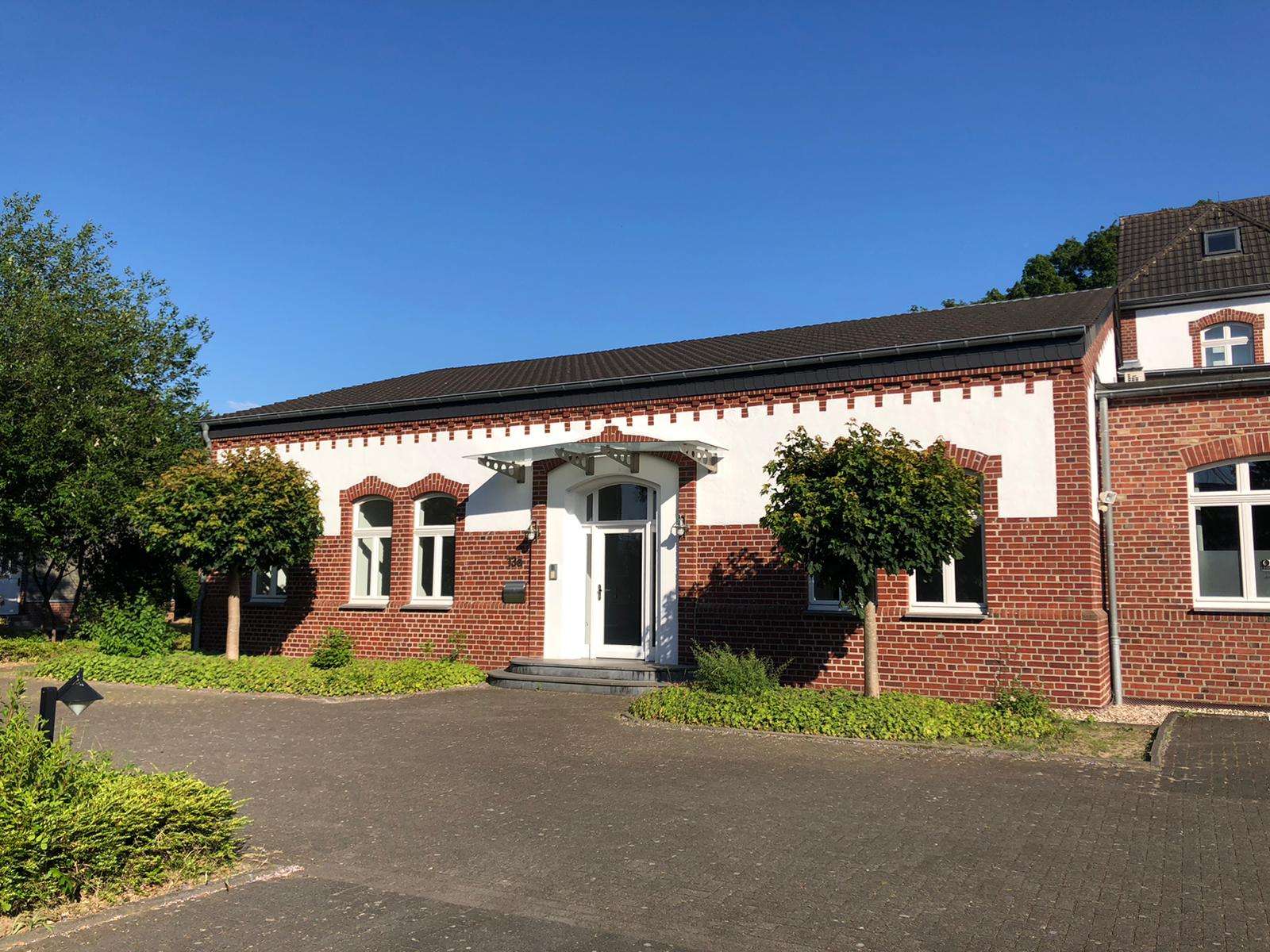
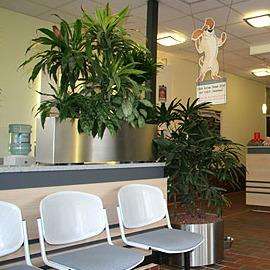
The Tierärzte am Nordpark in Mönchengladbach specialize in minimally invasive surgery, dermatology, and gynecology, while also covering internal medicine and conventional surgery. Procedures are performed laparoscopically, such as spaying female dogs, neutering male dogs with retained abdominal testicles, treating bladder stones, or performing stomach tacks. Skin conditions and allergies are thoroughly investigated using examinations in the in-house laboratory, X-rays, ultrasound, and endoscopy. They treat dogs, cats, rabbits, and guinea pigs, with inpatient care available upon request. The practice is located in the Nordpark area, with private parking right outside the door.
Treated animals
Small Animals & Pets
- cats
- dogs
- guinea pigs
- rabbits
Medical focus areas and specializations
- allergology
- behavioral science
- breeding support
- coat care
- dentistry
- dermatology
- endoscopy
- gynecology
- internal medicine
- nutrition counseling
- orthopedics
- parasitology
- pre-purchase examination
- proof of competence
- surgery
- travel advice
- ultrasound
- vaccinations
- x-ray
Services
- HospitalizationOvernight or multi-day monitoring and care
- LaboratoryOn-site blood, urine, and tissue analysis
Opening hours
- Monday
- 8:00 AM–6:00 PM
- Tuesday
- 8:00 AM–6:00 PM
- Wednesday
- 8:00 AM–6:00 PM
- Thursday
- 8:00 AM–6:00 PM
- Friday
- 8:00 AM–6:00 PM
- Saturday
- 10:00 AM–12:00 PM
- Sunday
- Closed
Appointments & new clients
Spoken languages
- 🇩🇪 German
Contact
- Book appointment
- Website
- Email
- Phone
- Fax
- Facebook
- Instagram
Practice location
Tierärzte am Nordpark
Practice location
Konrad-Zuse-Ring 13A
41179 Mönchengladbach
Germany
Team 16
Anna Posival
Lead Veterinarian and Practice Owner
Ina Reß
Lead Veterinarian and Practice Owner
Dr. Barbara Bauer-Droege
Veterinarian
Dr. Leonie Koenes
Veterinarian
Monika Graf
Veterinarian
Bettina Pappers
Veterinary Nurse
Lisa Bergfeld
Veterinary Nurse
Andrea Wienand
Veterinary Nurse
Olivia Wojcik
Veterinary Nurse
Julia Ziemann
Veterinary Nurse
Lina Storms
Veterinary Nurse
Eleni Pfeiffer
Veterinary Nurse Trainee
Angelique Maaßen
Veterinary Nurse
Shirley Bradi
Veterinary Nurse
Laura Gabriel
Veterinary Nurse
Annika Krebs
Veterinary Nurse Trainee since August 2026
Reviews
Top Team.
Top 👌
Great service. Friendly personal, fair prices
Really competent and friendly. Included in all steps. Couldn't do it any better 😉 Nice and clean environment.
Frequently asked questions
On the evening before the procedure, your female dog will have her last meal, but she may continue drinking water. Anesthesia is induced at the practice, with breathing and heart rate being continuously monitored throughout. Using a camera through tiny incisions, the surgeon locates the ovaries and removes them. About two hours are scheduled for the entire procedure, including induction and recovery.
As soon as your pet wakes up from the anesthesia, the practice will contact you, and you can head home once they can stand and walk securely. Food is not given on that day until they can swallow reliably, usually towards the evening. No major activities are planned besides a short potty walk, and instead of a traditional lampshade collar, a surgical recovery suit is sufficient to prevent licking.
From around the 25th day after mating, puppies can be reliably seen on an ultrasound.
You should call if 68 days have passed since mating and there are no signs of labor, if the temperature rose again more than 24 hours ago and there are still puppies in the womb, if more than four hours pass between two puppies, or if the female dog is straining for more than half an hour without a puppy arriving. Greenish or foul-smelling discharge before birth, as well as trembling, groaning, or apathy, are also reasons to get in touch.
Itching can point to an allergy to food, mites, flea bites, or pollen, but also to bacterial skin infections, fungi, parasites, hormonal diseases, or immune system disorders. Therefore, the process begins with a detailed consultation, followed by a skin examination using skin scrapings, impression smears, or cytology, some of which are evaluated directly in the in-house laboratory.
Yes. A testicle that has remained in the abdominal cavity can be removed using keyhole technique without making a large incision in the abdominal wall. The wounds remain small, and the healing phase is significantly shorter than with an open procedure.
Veterinary practices nearby


Are you the owner or a team member of this practice? Claim this profile to manage it yourself.