Tierarztpraxis Christine Nowotzin
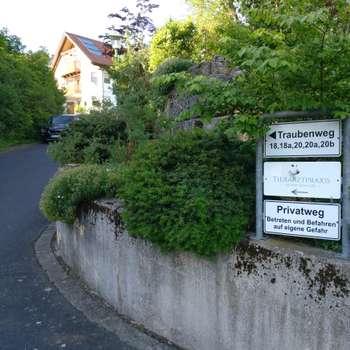
Practice in Am Heiligen Weg 1, 97342 Obernbreit, Germany
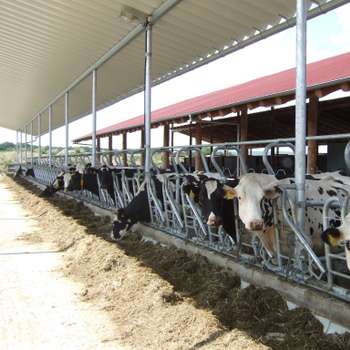
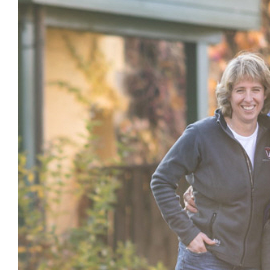
Dr. Christine Nowotzin runs a veterinary practice in Obernbreit where all animal species are treated using classical homeopathy according to Hahnemann – from dogs, cats, and rabbits to horses and livestock herds with hundreds of animals. She is a practicing veterinarian with an additional qualification and authorization to train others in the field of homeopathy, and has been running her own mixed practice since 1985. Acute and chronic illnesses are treated here, alongside homeopathic support for surgeries, herd health management, and prophylaxis. Since 1998, she has been passing on her knowledge as a speaker and lecturer, focusing among other things on cattle and equine homeopathy.
Treated animals
Small Animals & Pets
- cats
- dogs
- exotic small mammals
- guinea pigs
- rabbits
- small rodents
Large & Farm Animals
- cattle
- goats
- horses
- pigs
- poultry
- sheep
Medical focus areas and specializations
- homeopathy
Opening hours
- Monday
- 8:00 AM–12:00 PM2:00 PM–8:00 PM
- Tuesday
- 8:00 AM–12:00 PM2:00 PM–8:00 PM
- Wednesday
- 8:00 AM–12:00 PM5:00 PM–8:00 PM
- Thursday
- 8:00 AM–12:00 PM2:00 PM–8:00 PM
- Friday
- 8:00 AM–12:00 PM2:00 PM–8:00 PM
- Saturday
- 8:00 AM–12:00 PM2:00 PM–8:00 PM
- Sunday
- Closed
Appointments & new clients
Spoken languages
- 🇩🇪 German
Contact
- Website
- Email
- Phone
- Fax
- Facebook
Practice location
Tierarztpraxis Christine Nowotzin
Practice location
Am Heiligen Weg 1
97342 Obernbreit
Germany
Team 3
Frequently asked questions
Yes. Alongside dogs, cats, rabbits, and exotic pets, care is also provided for horses, cattle, pigs, sheep, goats, and poultry. In cases of herd-wide issues such as mastitis or high somatic cell counts, the remedy is administered via feed or drinking water, following the rules described by Hahnemann for epidemic diseases.
The work is based on classical homeopathy according to Hahnemann. Rather than a disease label, the totality of the individual animal's symptoms determines the remedy meant to stimulate the immune system toward self-healing. This is done with zero withdrawal times for milk and meat and without the development of resistance.
Yes. Before and after procedures such as neutering, spaying, cesarean sections, or wound care, the animal receives Calendula, applied locally as a tincture on a swab if needed. Antibiotic prophylaxis is omitted, and wound healing proceeds quickly and without complications.
The symptoms of several animals are compiled into an overall picture from which a suitable remedy is selected. The entire group receives this preventively, in livestock farming roughly once a week via feed or drinking water. This makes it possible to curb issues like bovine respiratory disease or udder problems within the herd.
Yes, combining the two approaches is possible at any time. Animals are also brought in when conventional medical treatment has not led to success. The limits of homeopathy lie wherever there is a surgical necessity, a substitution requirement, or irreversible organ changes.
Veterinary practices nearby


Are you the owner or a team member of this practice? Claim this profile to manage it yourself.