Tierarztpraxis Czetö
Practice in Krumme Straße 3, 06556 Reinsdorf, Germany
House calls across the Sangerhausen, Lutherstadt Eisleben, Sömmerda area
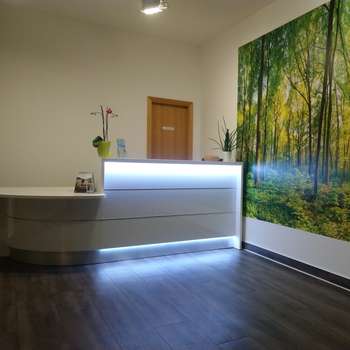
At the Tierarztpraxis Czetö in Reinsdorf, dogs, cats, and small pets such as rabbits and guinea pigs receive care ranging from dermatology and dentistry to internal medicine and soft-tissue surgery. Those interested in breeding are supported from determining the optimal mating time and monitoring pregnancy to obstetrics, and the practice is an officially approved facility for hip and elbow dysplasia X-rays. An in-house laboratory, X-ray equipment, and ultrasound ensure that results are available quickly so treatment can begin promptly. Alongside conventional medicine, André Czetö incorporates homeopathy, Bach flower remedies, autologous blood therapy, and Bioptron therapy. The bright, spacious rooms with a separate second exit help avoid stressful encounters with disliked conspecifics.
Treated animals
Small Animals & Pets
- cats
- dogs
- guinea pigs
- rabbits
Medical focus areas and specializations
- alternative medicine
- anesthesia
- behavioral science
- breeding support
- dentistry
- dermatology
- gynecology
- homeopathy
- internal medicine
- ophthalmology
- physiotherapy
- surgery
- ultrasound
- vaccinations
- x-ray
Services
- LaboratoryOn-site blood, urine, and tissue analysis
Opening hours
- Monday
- 5:00 PM–7:00 PM
- Tuesday
- 5:00 PM–7:00 PM
- Wednesday
- 5:00 PM–7:00 PM
- Thursday
- 5:00 PM–7:00 PM
- Friday
- 5:00 PM–7:00 PM
- Saturday
- Closed
- Sunday
- Closed
Emergencies
Appointments & new clients
Spoken languages
- 🇩🇪 German
Contact
- Website
- Email
- Phone
Practice location and mobile service area
Tierarztpraxis Czetö
Practice location
Krumme Straße 3
06556 Reinsdorf
Germany
House calls
Sangerhausen, Lutherstadt Eisleben, Sömmerda
Team 1
Reviews
A very nice and competent veterinarian. We took our dog and cat there, and he has an incredibly calming way with animals. We felt very well cared for and, above all, well advised. Thank you.
I've had very few competent veterinarians like him! I'm extremely satisfied and can highly recommend him! He focuses directly on the animal and explains everything clearly! I felt very well cared for! Thank you so much! Lars and Baily
I was referred to the vet on Easter Sunday as part of the emergency service. My cat received prompt care. The vet and his assistant were very compassionate. The price was also perfectly reasonable. I can recommend this practice. Keep up the good work! 👌
A wonderful veterinarian who takes his time with his patients, is patient, and explains everything clearly to the owners. Thank you for everything. The Beck family, with Bounty in our hearts.
Frequently asked questions
An emergency is any condition whose treatment cannot wait until the next consultation hours without causing unnecessary pain—such as car accidents, sudden severe lameness, sudden changes in the eyes, heavy bleeding wounds, or suspected poisoning. Bite wounds should be treated within six to eight hours regardless of their size. When in doubt, a quick phone call will clarify whether immediate action is needed.
In emergencies, the practice can be reached around the clock, including weekends. If no one answers because an animal is currently being treated, leaving a name and phone number ensures a call-back usually within a few minutes.
House calls are offered by appointment. Because diagnostic options are limited outside the practice and cats in particular can react defensively in their own territory, André Czetö recommends visiting the practice for unclear symptoms. Pets should be safely secured in good time before the appointment.
For male cats, the procedure is brief; the wound remains open and is not sutured, so stitches do not need to be removed. For male dogs, the scrotum is usually partially removed and sutured, with stitches coming out after 10 to 14 days. For those wanting to test the effects beforehand, castration in male dogs can be tried out for half a year using a hormonal chip. For female dogs, the practice advises waiting until after their first heat.
Dental misalignments and sharp points on the cheek teeth are corrected, as these can otherwise lead to diarrhea, loss of appetite, abscesses, and even death in small pets. For dogs and cats, tartar is removed using ultrasound and the teeth are then polished, while deep periodontal pockets are treated with radiosurgery.
Cats are considered seniors starting at eight or nine years of age, and dogs earlier depending on their size: small and medium breeds from seven to nine years of age. Geriatric screening includes dental status, skin and coat, eyes, heart and lungs, palpation of the abdomen and mammary glands, and a urinalysis; in unsterilized male dogs, the prostate is also checked via ultrasound.
Veterinary practices nearby

Are you the owner or a team member of this practice? Claim this profile to manage it yourself.