Tierarztpraxis Dausend & Weyand-Regge
Practice in Gartenstraße 8, 66629 Freisen, Germany
House calls across the Neunkirchen, Idar-Oberstein, Lebach area
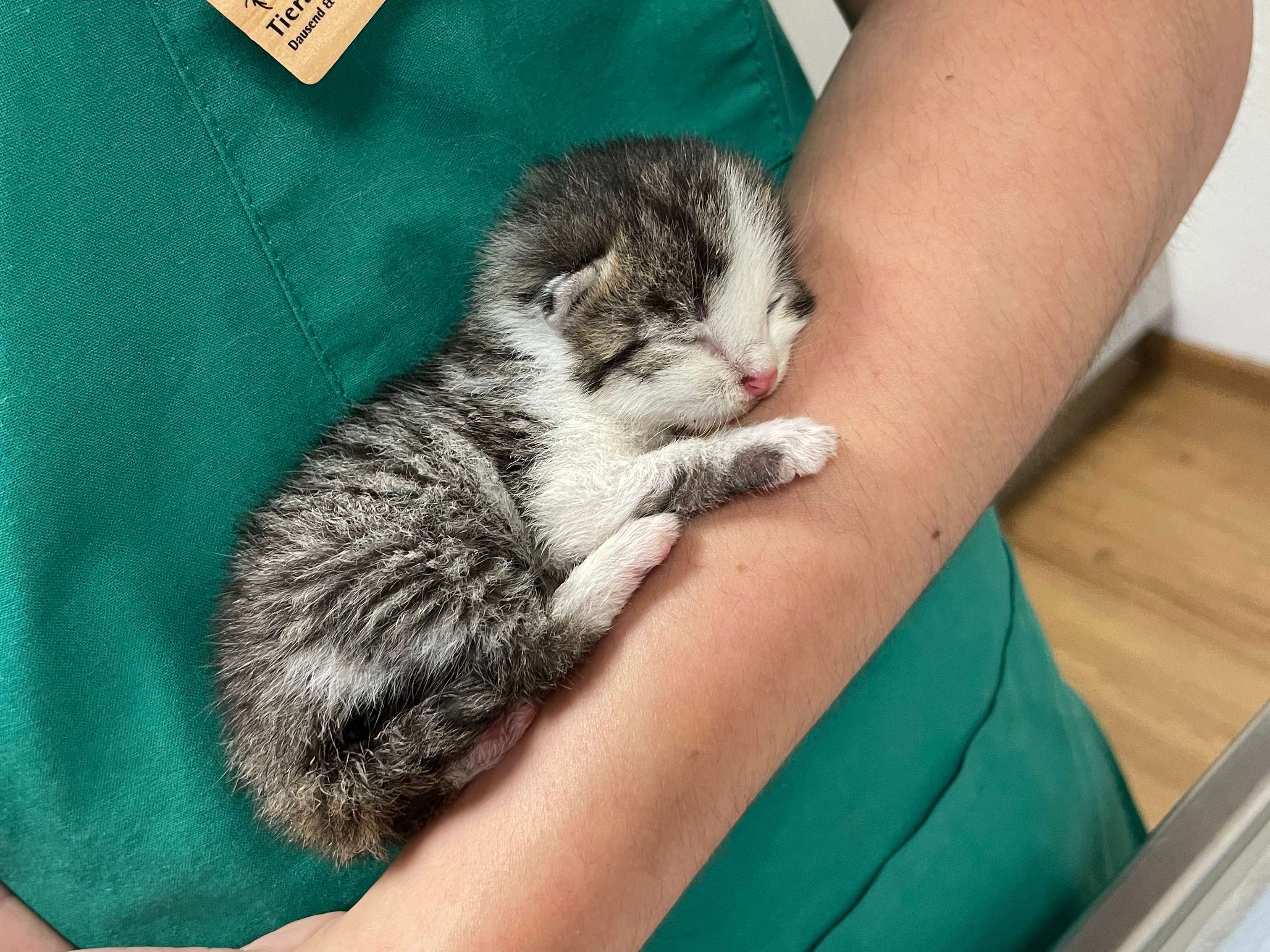
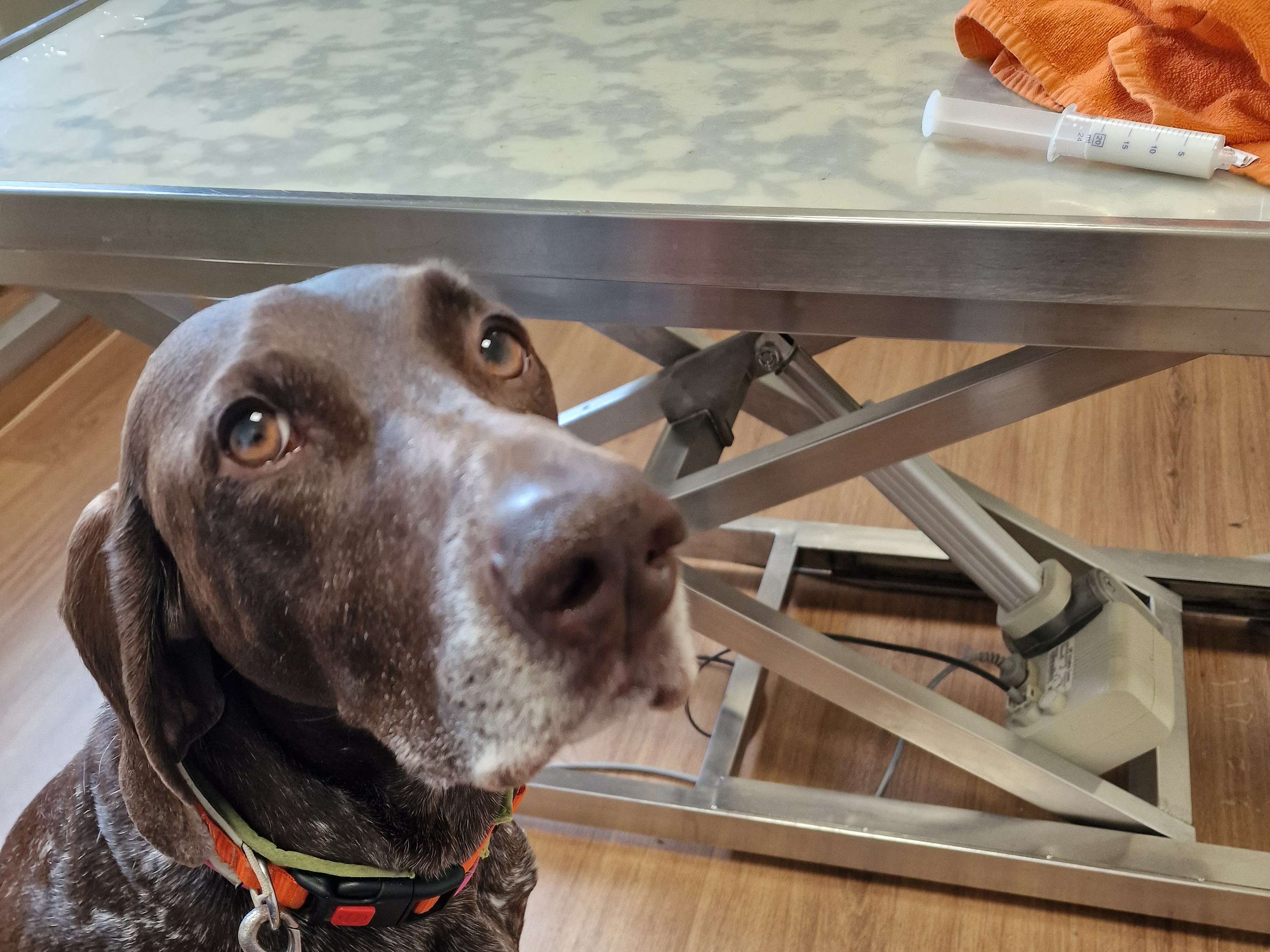
The Dausend & Weyand-Regge veterinary practice in northern Saarland operates from two locations, caring for large animals such as horses, cattle, sheep, and goats, as well as dogs, cats, and small pets. Because patients range from dwarf rabbits to bulls, the team combines field service with small animal consultations and tailors its approach accordingly. In-house laboratory equipment, digital X-ray systems, ultrasound, and a video endoscope are available for diagnostics, ensuring test results are ready promptly. Surgeries are also part of daily routine: spays and neuters, tumor and foreign body removals, dental treatments including dental X-rays, and minimally invasive procedures for cryptorchid dogs. Veterinary medicine is complemented by physical therapy, osteopathy, and an in-house homeopathic pharmacy.
Treated animals
Small Animals & Pets
- cats
- dogs
- small rodents
Large & Farm Animals
- cattle
- goats
- horses
- sheep
Medical focus areas and specializations
- alternative medicine
- anesthesia
- chiropractic & osteopathy
- dentistry
- endoscopy
- general medicine
- gynecology
- homeopathy
- internal medicine
- orthopedics
- parasitology
- physiotherapy
- surgery
- travel advice
- ultrasound
- vaccinations
- x-ray
Services
- LaboratoryOn-site blood, urine, and tissue analysis
Opening hours
- Monday
- 8:00 AM–6:00 PM
- Tuesday
- 8:00 AM–6:00 PM
- Wednesday
- 8:00 AM–6:00 PM
- Thursday
- 8:00 AM–6:00 PM
- Friday
- 8:00 AM–6:00 PM
- Saturday
- Closed
- Sunday
- Closed
Appointments & new clients
Spoken languages
- 🇩🇪 German
Contact
- Book appointment
- Website
- Email
- Phone
- Fax
- Facebook
- Instagram
Practice location and mobile service area
Tierarztpraxis Dausend & Weyand-Regge
Practice location
Gartenstraße 8
66629 Freisen
Germany
House calls
Neunkirchen, Idar-Oberstein, Lebach
Team 36
Sylvia Weyand-Regge
Owner
Paula Dausend
Owner
Dr. Carla Gratz
Veterinarian (Small Animals)
Franziska Kittel
Veterinarian (Large and Small Animals)
Dr. Kathrina Latsch
Veterinarian (Large and Small Animals)
Dr. Elisa-Marie Laux
Veterinarian (Large and Small Animals)
Markus Majeres
Veterinarian (Large and Small Animals)
Ricarda Santo
Veterinarian (Large and Small Animals)
Sergej Schneidmüller
Veterinarian (Large and Small Animals)
Katarzyna Snela-Kerlitz
Veterinarian (Small Animals)
Su Sundmaker
Veterinarian (Small Animals)
Ute Telch
Veterinarian (Small Animals)
Johannes Dausend
Veterinary Assistant
Tajana Drumm
Veterinary Assistant
Nina Enderle
Veterinary Assistant
Lena Euler
Veterinary Assistant
Lara Ernst
Veterinary Assistant
Franzi Frey
Veterinary Assistant
Selina Heinrich
Veterinary Assistant
Jasmin Messerle
Veterinary Assistant
Michelle Schleppi
Veterinary Assistant
Eva Theobalt
Veterinary Assistant
Denise Veit
Veterinary Assistant
Lara Weisgerber
Veterinary Assistant
Carolin Jäckel
Trainee Veterinary Assistant
Ute Dannheimer
Office
Doris Dausend
Reception
Tina Hoffmann
Reception
Gaby Mettler-Staub
Office
Carola Schade-Berndt
Human Resources
Tina Witzke-Geis
Reception
Franz Dausend
Retired Senior Director (Mini-Jobber & Phone-a-Friend)
Alois Baltes
Facility Management
Rebecca Blankenstein
Veterinarian (Small Animals), on parental leave
Sina Holzhauser
Veterinarian (Small Animals), on parental leave
Celina Weirauch-Kündgen
Veterinary Assistant, on parental leave/maternity leave
Reviews
Very kind and understanding staff.
Excellent very friendly and helpful staff
Top Service
Top
Very kind, accommodating staff who have been able to help my cat, Luna.
Frequently asked questions
For an abdominal ultrasound examination, your pet should not have eaten for about twelve hours so that interfering gas formation does not obscure the images. Drinking is allowed until the appointment. To ensure the urinary bladder can also be assessed, your pet should ideally not urinate for about two hours beforehand.
Only the crown of the tooth and part of the tooth neck are visible, while the roots and jawbone remain hidden—and that is precisely where many disorders lie. X-rays reveal inflammation at the tooth root, fractures, misalignments, and resorptive lesions, which are common in cats. General anesthesia is necessary to obtain usable images.
After induction, the pet is intubated, and anesthesia is maintained using a gas. Oxygen saturation and partial pressure of CO2 are measured, while blood pressure, heart rate, heart rhythm, temperature, and pulse are continuously monitored.
Yes. A retained testicle located in the abdomen can be reached and removed via laparoscopy through two small access points; an ultrasound examination beforehand shows its exact location. Because testicles located inside the body are significantly more prone to malignancy, their removal is generally recommended.
Yes, one of the practice's veterinarians holds the additional qualification in physical therapy/small animal physiotherapy. It is used for conditions such as osteoarthritis, postoperative rehabilitation, muscle building, and improving joint mobility.
Veterinary practices nearby

Are you the owner or a team member of this practice? Claim this profile to manage it yourself.