Tierarztpraxis Dr. Lauterbach
Practice in Lindenbachstraße 1, 91126 Schwabach, Germany
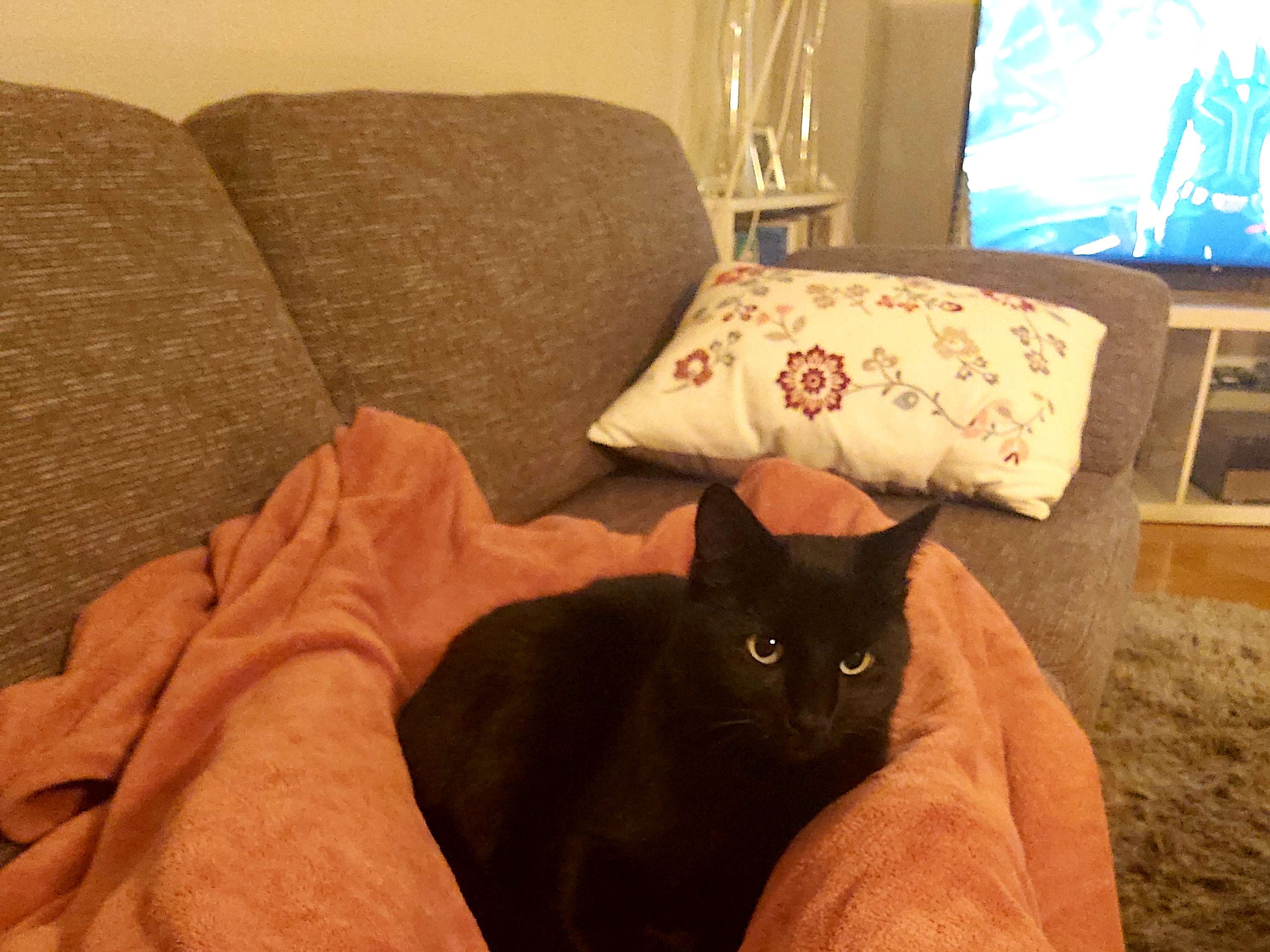
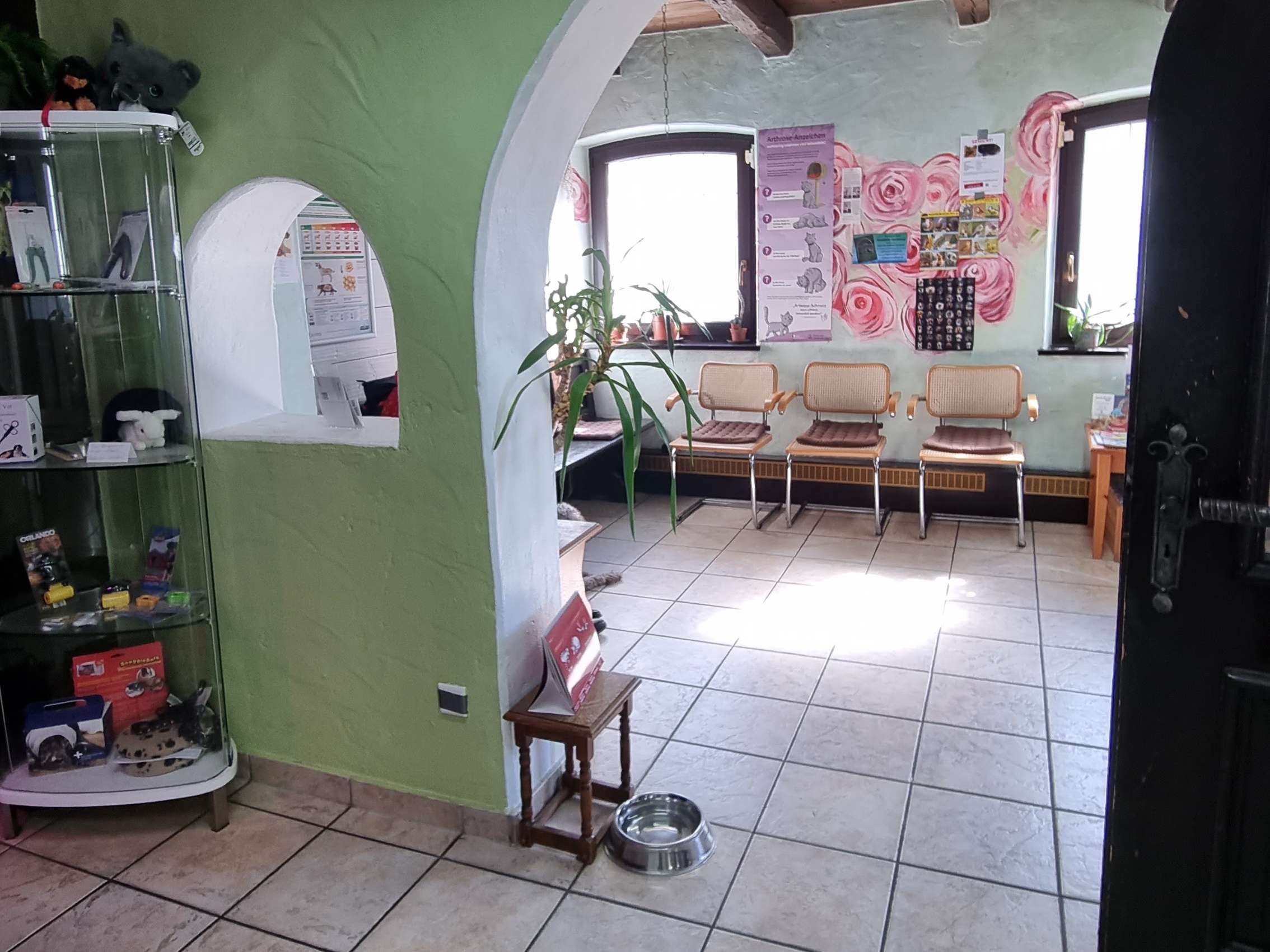
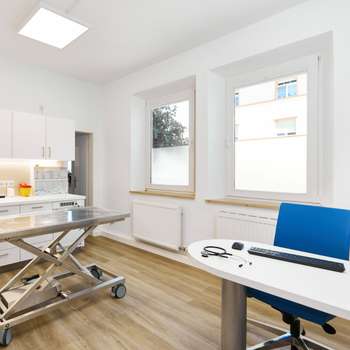
The Dr. Lauterbach veterinary practice is located in a former inn on the edge of Schwabach and cares for dogs, cats, rabbits, guinea pigs, small pets, birds, and reptiles. The young team uses modern diagnostics, an in-house laboratory, ultrasound, and X-ray. A key focus is on dental care: tartar is removed with ultrasound, diseased teeth are extracted, and dental malocclusions are corrected in rodents as well. Surgeries are performed using gentle inhalation anesthesia, which is easy to regulate and well-suited for sensitive patients such as rabbits or older animals. Making an appointment in advance spares your pet unnecessary waiting times.
Treated animals
Small Animals & Pets
- cats
- dogs
- guinea pigs
- rabbits
- small rodents
Reptiles & Amphibians
- lizards
Avian (Birds)
- pet birds
Medical focus areas and specializations
- anesthesia
- coat care
- dentistry
- general medicine
- gynecology
- nutrition counseling
- parasitology
- surgery
- travel advice
- ultrasound
- vaccinations
- x-ray
Services
- LaboratoryOn-site blood, urine, and tissue analysis
Opening hours
- Monday
- 9:30 AM–12:00 PM3:00 PM–6:30 PM
- Tuesday
- 9:30 AM–12:00 PM3:00 PM–6:30 PM
- Wednesday
- 9:30 AM–12:00 PM
- Thursday
- 9:30 AM–12:00 PM3:00 PM–6:30 PM
- Friday
- 9:30 AM–12:00 PM
- Saturday
- Closed
- Sunday
- Closed
Appointments & new clients
Spoken languages
- 🇩🇪 German
Contact
- Website
- Email
- Phone
Practice location
Tierarztpraxis Dr. Lauterbach
Practice location
Lindenbachstraße 1
91126 Schwabach
Germany
Team 5
Reviews
I always take my two cats to Dr. Lauterbach's practice. All the staff are kind, polite, and helpful. Dr. Lauterbach always explains the diagnosis and the reason for the medication. I thank the entire team for the care and affection they give my cats.
Gut
My little poodle had five teeth extracted – quickly, cleanly, and painlessly. The light anesthetic lasted very little. He's doing well. Dr. Lauterbach is very friendly, competent, and personable. I trust her completely. Thanks also to the helpful team! All the best to you!
"Dear Dr. Lauterbach, dear practice team, I would like to thank you most sincerely. My two cats were in very bad shape, and I was very worried. Thanks to your excellent professional treatment, your loving care, and your special warmth, they have recovered incredibly well. One of my cats even stabilized remarkably quickly thanks to your "healing touch."
A truly lovely veterinarian, someone you'd gladly entrust your beloved furry friends to! :-) And her prices are really very reasonable compared to other vets in Schwabach. I've been there for various issues, including dental work, and everything was excellent.
Frequently asked questions
On the day of surgery, your pet must have an empty stomach because anesthetics can induce vomiting, and vomit could enter the trachea. The last meal is given at around 7 PM the evening before; water is left out and removed about an hour before anesthesia. Free-roaming cats spend the night indoors beforehand. To help the wound heal, it is protected with a shirt, bandage, or protective collar.
Tartar is removed using ultrasound, after which the teeth are polished and fluoridated to provide lasting protection. Diseased teeth are extracted. For rabbits, guinea pigs, and other rodents, the practice also corrects dental malocclusions.
The practice uses gentle inhalation anesthesia via gas. It is easy to control, the animal wakes up quickly, and the physical strain remains low even for sensitive patients like rabbits or older animals. After the procedure, circulation is stabilized and warmth is provided.
A rabbit needs to eat constantly to keep its digestive tract moving. If it stops eating, there can be many causes, and it should be examined as soon as possible. Until the appointment, a special mash can be fed via syringe; which one is suitable will be discussed at the practice.
If your rabbit has access to the outdoors, vaccination is advisable because myxomatosis and rabbit hemorrhagic disease are incurable. The first vaccination is possible from the fifth week of life, repeated after four weeks, and then refreshed annually.
Tablets can be hidden in liverwurst, cat malt paste, or other favorite treats. Alternatively, there is a deworming spot-on solution applied to the back of the neck that works just as well. Free-roaming cats in particular should be dewormed regularly because worms can also be transmitted to humans.
Veterinary practices nearby



Are you the owner or a team member of this practice? Claim this profile to manage it yourself.