Tierarztpraxis für Pferdeaugenheilkunde
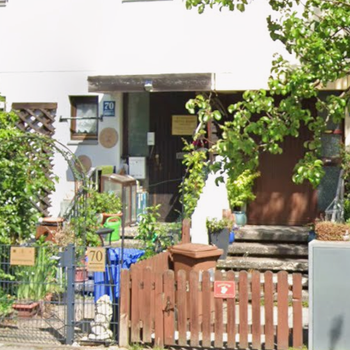
Practice in Auf den Schrederwiesen 44, 80995 München, Germany
House calls across the Munich, Freising, Fürstenfeldbruck area
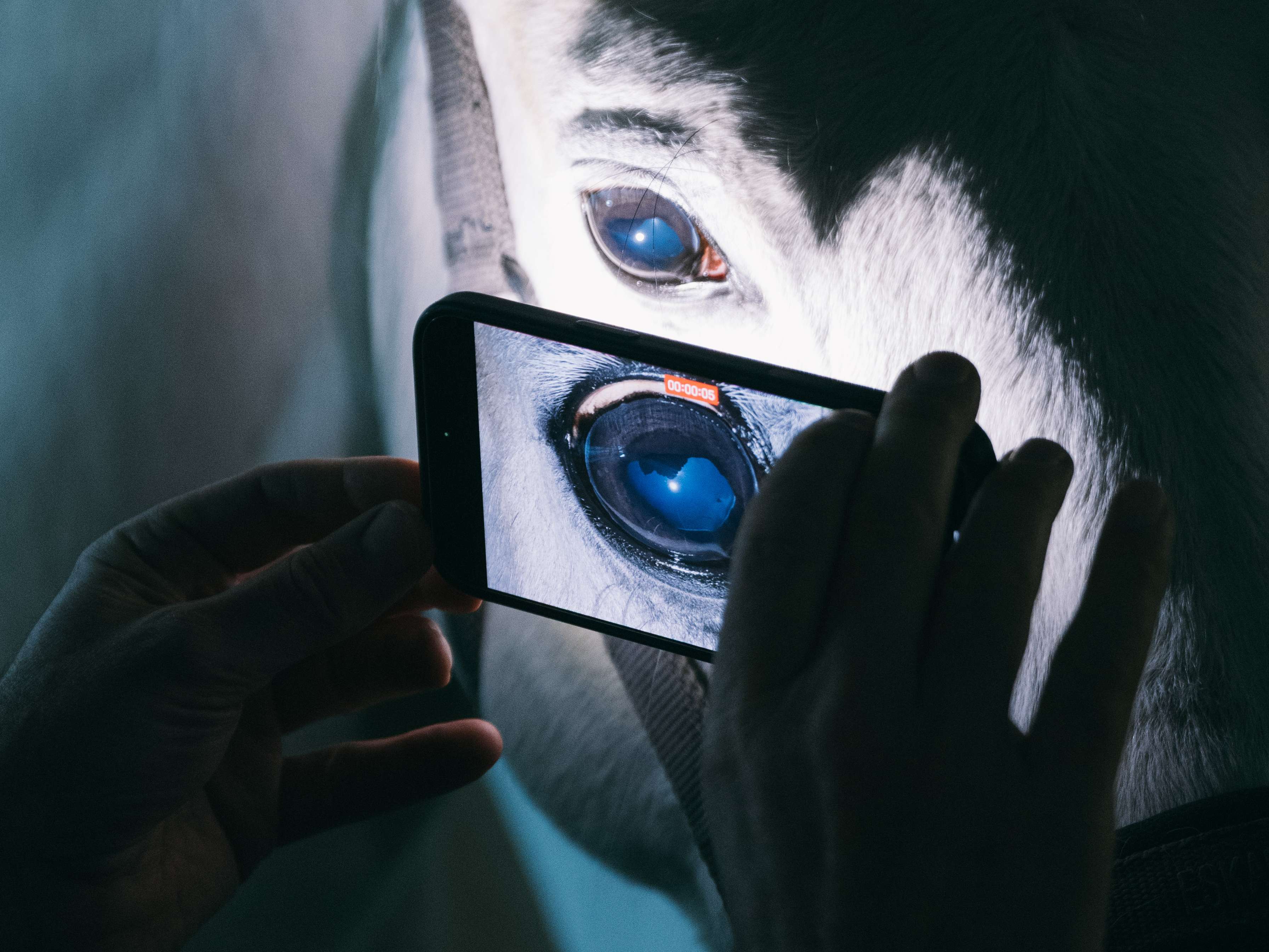
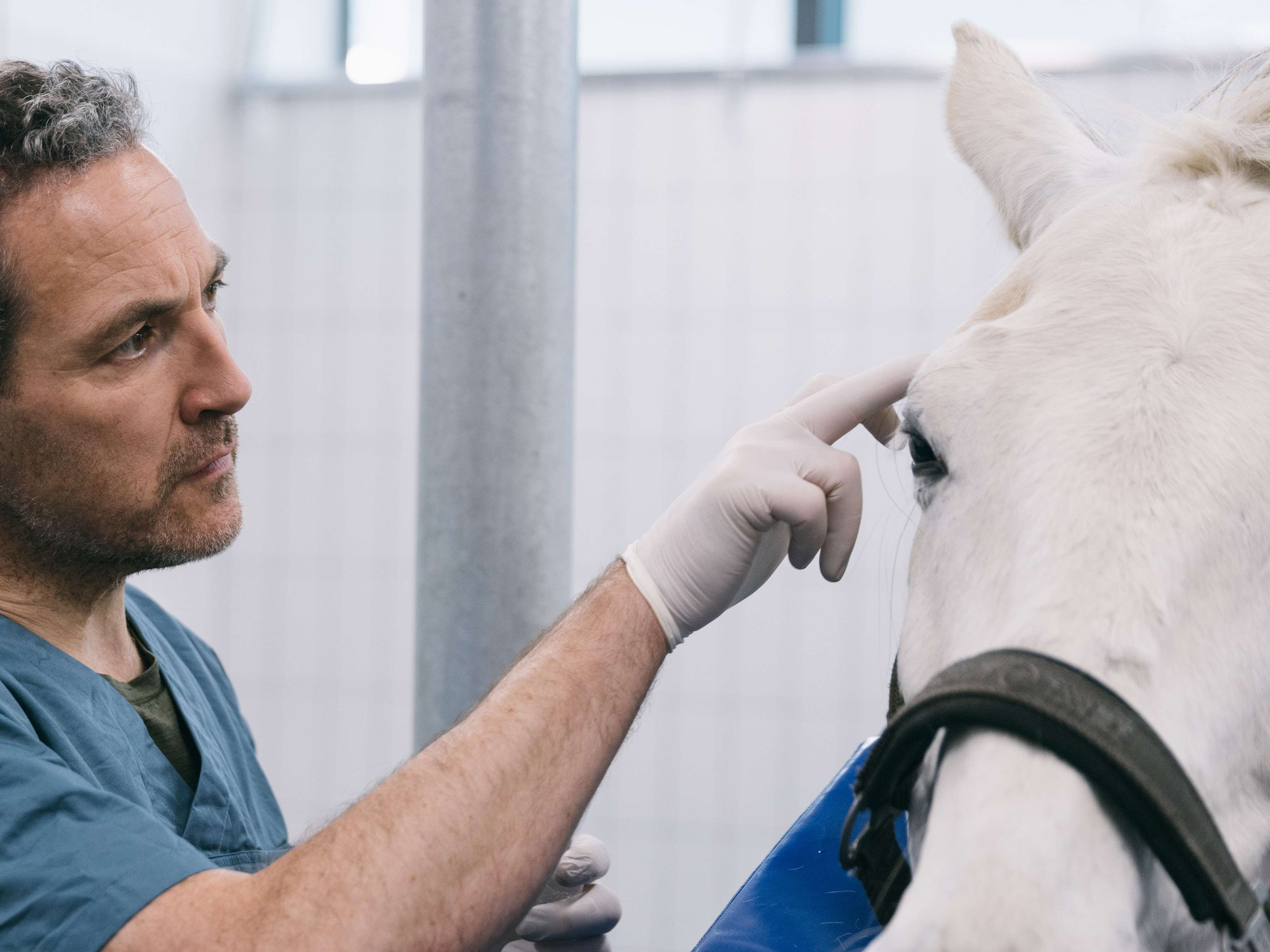
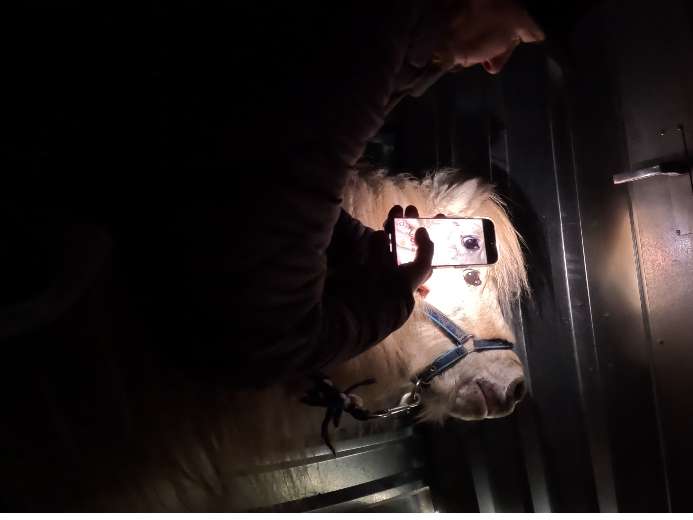
The veterinary practice for equine ophthalmology specializes in the diagnosis and conservative as well as surgical treatment of eye diseases in horses. Dr. Stefan Gesell-May primarily performs intraocular surgery, such as vitrectomy for recurrent uveitis, and carefully selects the most gentle procedures possible following a thorough examination. Depending on the case, treatment is carried out at a partner clinic or directly at the home stable, where many examinations and minor procedures can be performed without extra stress for the horse. Cases can be submitted via the digital portal along with image and video material to accompany follow-up care, and the catchment area extends from Munich and southern Germany to Austria and Switzerland.
Treated animals
Large & Farm Animals
- horses
Medical focus areas and specializations
- ophthalmology
- surgery
Opening hours
- Monday
- 9:00 AM–5:00 PM
- Tuesday
- 9:00 AM–5:00 PM
- Wednesday
- 9:00 AM–5:00 PM
- Thursday
- 9:00 AM–5:00 PM
- Friday
- 9:00 AM–5:00 PM
- Saturday
- 9:00 AM–1:00 PM
- Sunday
- Closed
Spoken languages
- 🇩🇪 German
Contact
- Website
- Email
- Phone
- Fax
- WhatsApp
- Facebook
- Instagram
- LinkedIn
Practice location and mobile service area
Tierarztpraxis für Pferdeaugenheilkunde
Practice location
Auf den Schrederwiesen 44
80995 München
Germany
House calls
Munich, Freising, Fürstenfeldbruck
Team 2
Reviews
Very friendly and competent staff. We were kept informed of the progress at all times.
Dr. Stefan Gesell-May is an extremely competent veterinarian who, with his calm demeanor, has a wonderful way with horses. He is also always available to answer questions and gives horse owners peace of mind. Highly recommended for equine eye problems!
I'm overwhelmed. It's the complete opposite of what you unfortunately often experience these days. I filled out the online form and recorded a video. I received an immediate response and detailed advice. Thank you so much!
Dr. Gesell-May comes highly recommended! He is very friendly and competent. My first impression was that Dr. Gesell-May is extremely knowledgeable and experienced. He listens attentively to problems and is very empathetic and understanding. Email replies are very prompt. His assistant is also competent and friendly. You feel very well cared for. Many thanks to both of them for their help!
Frequently asked questions
You can use the digital portal to submit contact and horse details, images, and a description of the condition. You will then receive an initial assessment by phone or email, and the next steps will be coordinated together.
Record the video rather in the dark so that no direct sunlight falls on the eye, and make sure the camera lens is clean. Turn on your smartphone LED, slowly bring the device from below and slightly upwards toward the eye, and make sounds instead of touching the eye.
Many examinations and minor procedures can be performed at the home stable. If more intensive diagnostics or close monitoring are necessary, treatment will take place at a partner clinic.
The horse is admitted three days prior to surgery, and the operation itself takes place on day four under general anesthesia. A total of ten days of box rest should be planned, and discharge usually takes place five days after the procedure. Free movement is possible again from day eleven; since the pupil remains dilated for another two to three weeks, a fly mask is useful during the day.
Drafts and wind are not a problem for healthy horse eyes and are no reason for a mask. A fly mask helps when there are many flies, a tightly woven UV mask protects against UV-related risks such as a pale spot on the conjunctiva, and after certain surgeries a protective mask can prevent the horse from rubbing.
More than two applications daily are generally not recommended for everyday routine, as they are difficult to implement reliably. If frequent applications are necessary, treatment is carried out under supervision in the clinic, where a catheter in the eyelid can also be used without having to touch the eye.
True allergies affecting the eye are rare in horses. Blood tests are unreliable; a skin test followed by an attempt at desensitization is more useful. Anti-allergic eye drops should not be administered on suspicion because they can mask another condition.
Veterinary practices nearby


Are you the owner or a team member of this practice? Claim this profile to manage it yourself.