Dental Disease
A common progressive condition where plaque and tartar buildup leads to gum inflammation and, if untreated, damage to the structures supporting the teeth.
Also known as Periodontal Disease, Gum Disease, Periodontitis
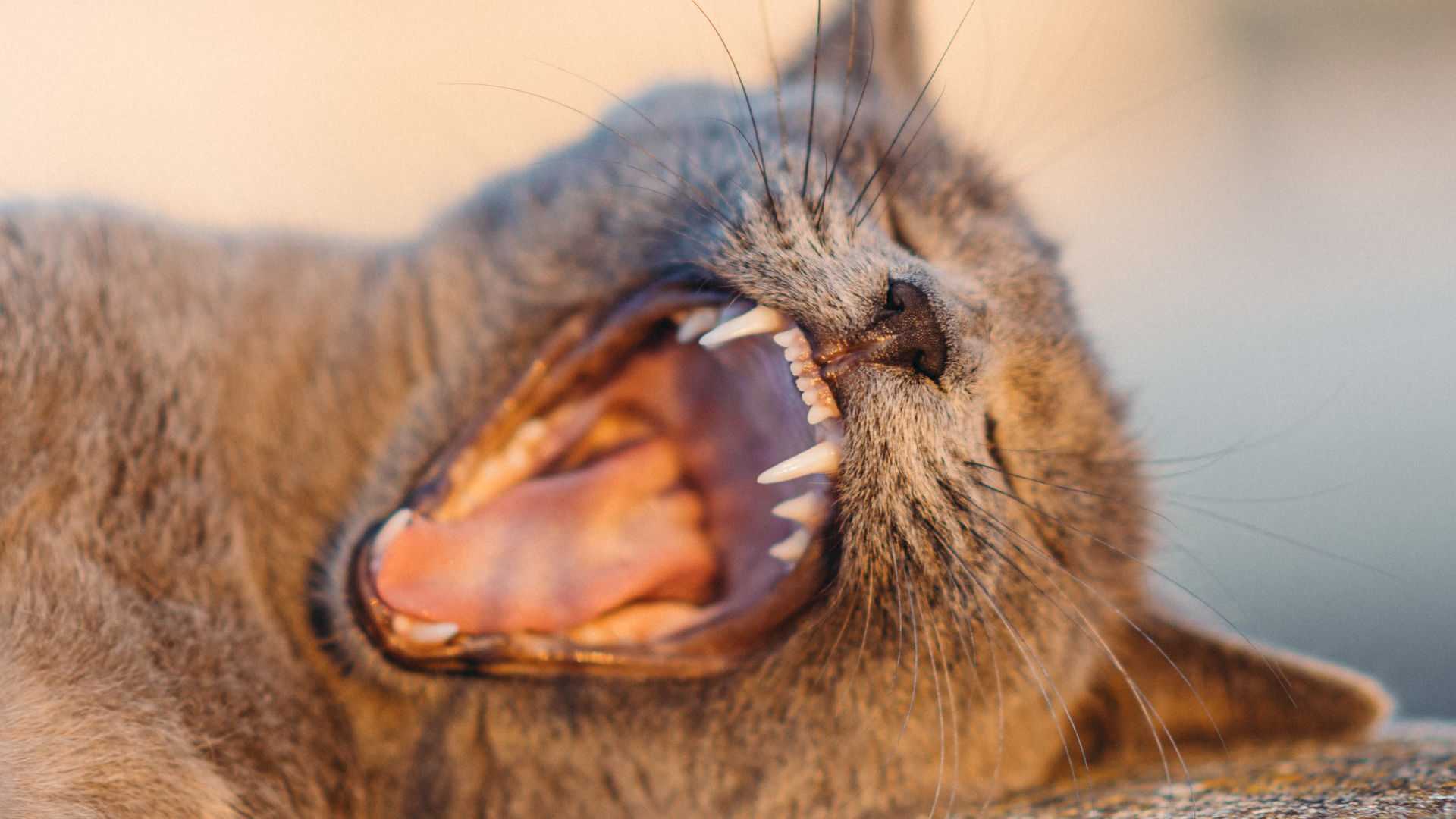
Dental disease is an umbrella term for problems affecting your pet's teeth and gums, and it starts in a way that's easy to miss: a sticky film called plaque builds up on the tooth surface, and if it isn't removed it hardens into tartar and works its way under the gumline. Once bacteria get below the gum, your pet's own immune response kicks in, causing the redness and swelling known as gingivitis. Left alone, this can progress to periodontitis, which damages the bone and ligament holding the tooth in place. It's an extremely common problem: over 80% of dogs and cats show some degree of it by the age of three, and in cats the figure has been reported as high as 50 to 90% by four years old.
What makes it tricky is that dogs and cats are good at masking discomfort, so the disease often advances quietly. Bad breath is frequently the first and only clue for a long time. As things worsen you might notice red or bleeding gums, drooling, discoloured teeth, a pet dropping food or chewing carefully on one side, or swelling around the face. Advanced cases can lead to loose or lost teeth, abscesses at the tooth root, and even a passage forming between the mouth and nasal cavity. The Merck Veterinary Manual notes that this isn't just a mouth problem either: the bacteria and inflammation involved have been linked to effects elsewhere in the body, including an increased risk of kidney disease.
Cats have an extra complication worth knowing about called tooth resorption, where the tooth's own structure gradually breaks down, often starting near the gumline. It's separate from ordinary periodontal disease, isn't fully understood, and can be quite painful once it progresses, sometimes showing up as drooling, chattering of the jaw, or reluctance to eat.
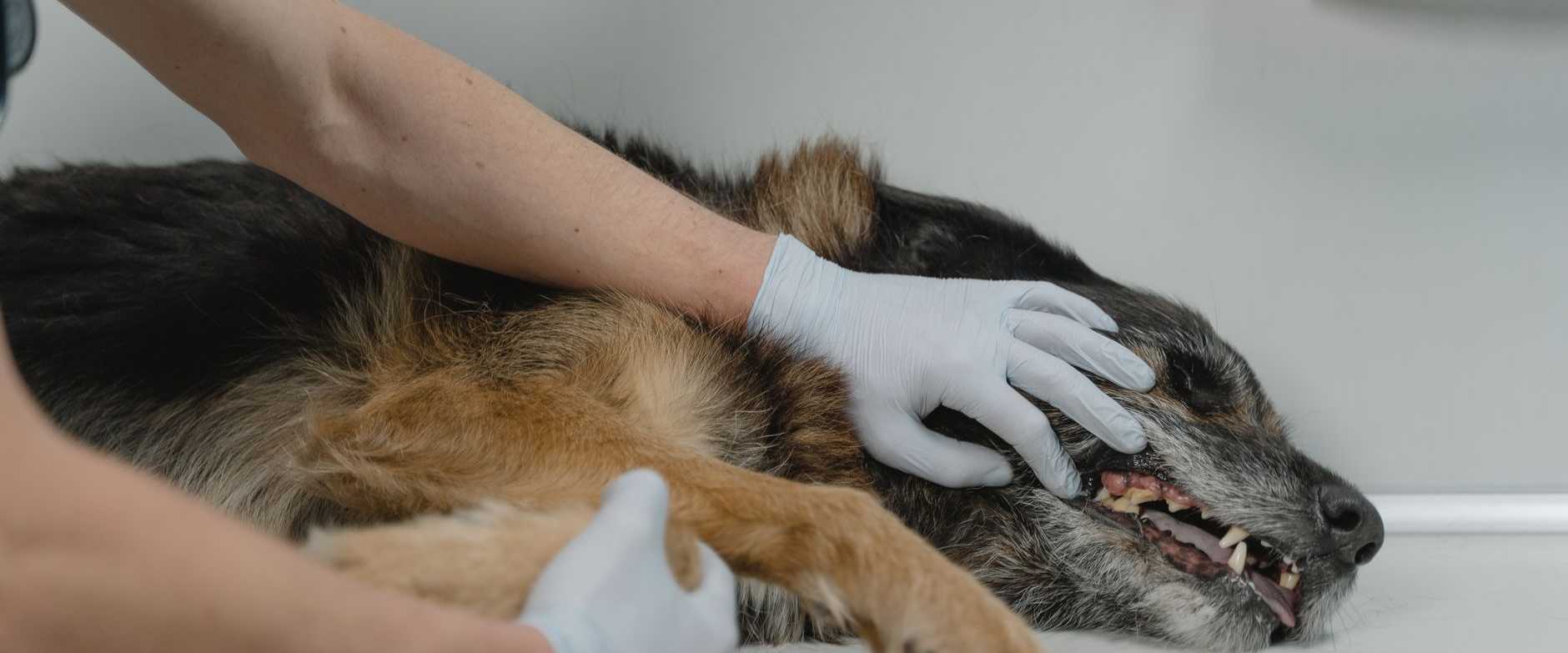
Because so much of the damage happens below the gumline where you can't see it, a proper assessment needs more than a glance in the mouth. Vets typically use probing and dental X-rays under anaesthesia to see how much bone and attachment has actually been lost, which is also how they decide whether a tooth can be cleaned and saved or needs to come out.
The reassuring part is that dental disease is largely preventable and, in its early stages, reversible. Daily brushing with a pet-specific toothpaste is the single most effective thing you can do at home, and some dental chews and diets can help too, though nothing at home replaces a proper professional clean when disease is already present. A few signs are worth booking a vet visit over rather than waiting:
- Persistent bad breath
- Red, swollen, or bleeding gums
- Yellow or brown build-up on the teeth
- Drooling more than usual, or blood on toys
- Reluctance to chew, dropping food, or eating on one side only
How often your pet needs a professional check and clean varies by individual, breed, and size, so it's worth asking your vet what schedule makes sense rather than assuming an annual clean fits every pet.