Kleintierpraxis Dr. Schadt
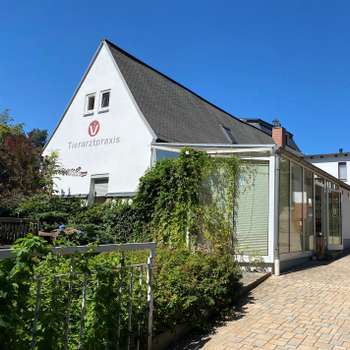
Practice in Wittenberger Straße 110C, 01277 Dresden, Germany
House calls across the Dresden, Pirna, Meißen area
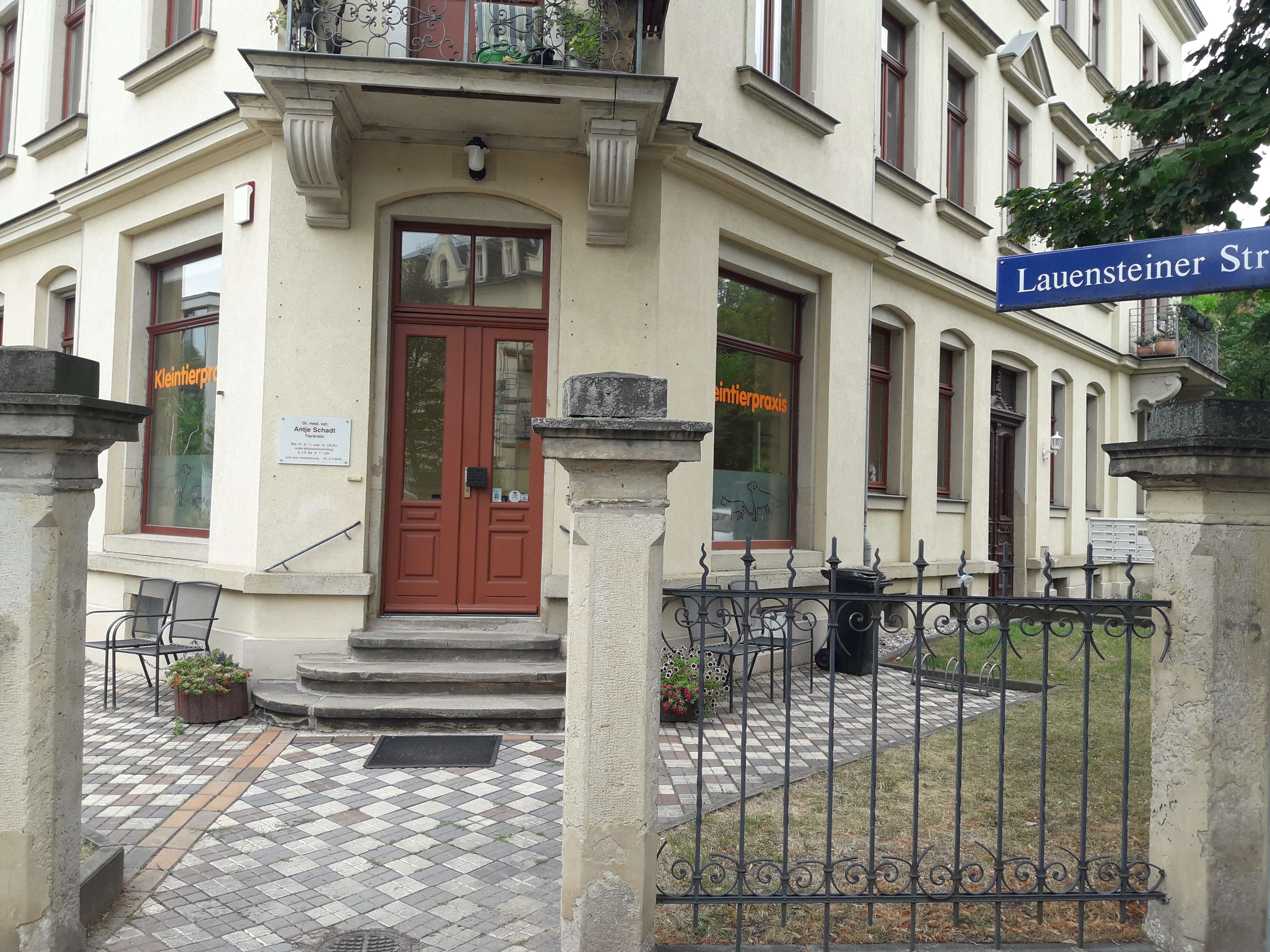
The Kleintierpraxis Dr. Schadt in Dresden-Striesen cares for dogs, cats, and small pets such as rabbits, guinea pigs, and birds. A key focus is on skin conditions and internal medicine, alongside a range of services that includes surgeries, X-ray diagnostics, dental treatments, and vaccinations. Blood, urine, stool, hair, and skin samples are examined directly in the practice, while more complex analyses are processed through veterinary laboratories. For chronically ill pets, dietary advice is available for conditions such as kidney or liver disease, diabetes, urinary stones, or obesity. House calls are only possible in exceptional cases, as many animals evade examination in their familiar surroundings.
Treated animals
Small Animals & Pets
- cats
- dogs
- exotic small mammals
- guinea pigs
- rabbits
- small rodents
Avian (Birds)
- pet birds
Medical focus areas and specializations
- dentistry
- dermatology
- internal medicine
- nutrition counseling
- surgery
- travel advice
- vaccinations
- x-ray
Services
- LaboratoryOn-site blood, urine, and tissue analysis
Opening hours
- Monday
- 9:00 AM–11:00 AM3:00 PM–6:00 PM
- Tuesday
- 9:00 AM–11:00 AM3:00 PM–6:00 PM
- Wednesday
- 9:00 AM–11:00 AM
- Thursday
- 9:00 AM–11:00 AM3:00 PM–6:00 PM
- Friday
- 9:00 AM–11:00 AM3:00 PM–6:00 PM
- Saturday
- Closed
- Sunday
- Closed
Emergencies
Appointments & new clients
Spoken languages
- 🇩🇪 German
Payment methods
Contact
- Website
- Email
- Phone
- Fax
Practice location and mobile service area
Kleintierpraxis Dr. Schadt
Practice location
Wittenberger Straße 110C
01277 Dresden
Germany
House calls
Dresden, Pirna, Meißen
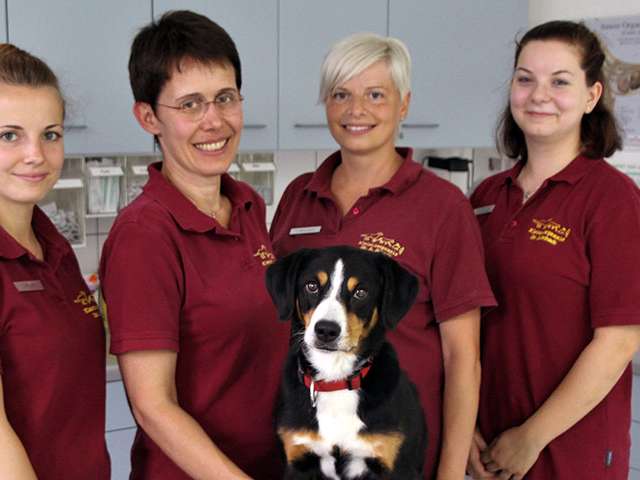
Team 4
Reviews
Super Team
Excellent and very caring for the pets.. gentle examination and effective treatment
A heartfelt thank you to Dr. Schadt and her team, you are simply wonderful! You have been caring for us and our kittens for many years – almost 17 years to be exact. No matter when one of our kittens has a problem, we always get an appointment the same day. You are very compassionate and take wonderful care of our four-legged companions. You truly do everything you can to make them feel well or even better. Last year, we had to say a heartbreaking goodbye to our beloved Amira, and even during that time, the whole team was there for us. With our two kittens, Hedi and Ebony, we are, of course, back again. We have complete trust in Dr. Schadt and her team; they perform the treatments that are necessary for the animal. Today, Ebony was supposed to have another operation, which thankfully wasn't necessary. We are very grateful for that. A huge thank you to Dr. Schadt and her team!
At this point, I would like to sincerely thank Dr. Schadt and her team once again. Dr. Schadt takes the time to explain everything thoroughly. She addresses the concerns and questions of the owner, and she and her entire team are very caring in their interactions with the animals. Thank you very much!
We are very satisfied with Dr. Schadt and can wholeheartedly recommend her and her team. Our dog experiences the necessary peace and calm during every visit. The entire team is extremely friendly and competent.
Frequently asked questions
Only in exceptional cases, such as when an animal is unable to be transported. In their own homes, many animals evade examination, which is why a house call should be discussed with the practice in advance.
Twelve hours before the procedure, the animal should no longer receive food, while water can be given up to two hours beforehand. Rodents should be given hay and a little carrot or apple instead of fresh food. Before the anesthesia, the cardiovascular system is examined, and the animal can usually be picked up shortly after the surgery.
Blood samples are prepared in the practice and forwarded to a veterinary laboratory, with results usually available on the next working day. Some conditions, such as feline leukemia or FIV, can be detected directly from the blood using a rapid test.
The staple diet is hay or grass, supplemented by varied fresh food and fruit tree branches for gnawing. Concentrated feed and treats should be given at most once a week in small amounts, as commercial feed otherwise promotes dental, digestive, and behavioral problems as well as obesity.
Bucks are neutered at around four to five months of age and when they weigh at least one kilogram, and remain capable of breeding for about two weeks afterward. Does should be neutered within their first year, during which the uterus is also removed; this procedure carries a higher risk and belongs in a clinic.
Veterinary practices nearby

Are you the owner or a team member of this practice? Claim this profile to manage it yourself.