Equidens
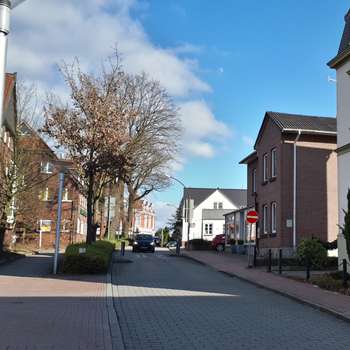
Practice in Datumer Chaussee 188, 25421 Pinneberg, Germany
House calls across the Hamburg, Norderstedt, Elmshorn area
Equidens is the practice of equine dental practitioner Frank Husmann in Pinneberg. He treats horse teeth directly in the stable or at the equestrian facility so that examinations and treatments take place in the horse's familiar environment. He uses a range of hand rasps and water-cooled instruments to gently correct hooks and sharp edges and restore balance in the mouth. Every treatment begins with a thorough examination and is performed under sedation. Regular dental check-ups prevent issues that might otherwise affect rideability, feed utilization, and general well-being.
Treated animals
Large & Farm Animals
- horses
Medical focus areas and specializations
- dentistry
Spoken languages
- 🇩🇪 German
Contact
- Website
- Email
- Phone
Practice location and mobile service area
Equidens
Practice location
Datumer Chaussee 188
25421 Pinneberg
Germany
House calls
Hamburg, Norderstedt, Elmshorn
Team 1
Frequently asked questions
Signs include weight loss, dull coat, drooling or head tilting while eating, foul odor from the mouth or nostrils, long straw fibers in the manure, as well as resistance when bitting and positioning issues while riding. Colic or choke can also originate in the teeth.
Horses undergoing tooth eruption between two and five years of age should be treated twice a year, while adult horses from six years onwards need treatment at least once a year. From about 18 years of age, treatment every two years is usually sufficient, and once tooth loss begins, it increases again to one to two times a year.
Yes, every horse is sedated for the procedure. The treatment is generally not painful, but it is unpleasant; the sedation spares the horse fear and defensive movements. Every patient undergoes a general examination beforehand, and the horse remains standing during and after the treatment.
A treatment takes around 60 minutes on average. Afterward, the horse needs one to two hours of rest to wake up and must not be fed during this time to prevent choke. The horse should not be worked on the day of the treatment.
A good equine dental practitioner works with an extensive range of hand and water-cooled power rasps and checks whether the incisors need to be shortened. The mouth is opened using a full-mouth speculum; mouth wedges pushed in laterally between the cheek teeth are unsuitable for this and can cause the stressed teeth to splinter.
Yes, examination and treatment take place in the horse's familiar environment whenever possible. For groups of five or more participants, Frank Husmann also gives talks at the stable or equestrian facility about the connection between dental treatment, health, and rideability.
Veterinary practices nearby



Are you the owner or a team member of this practice? Claim this profile to manage it yourself.