Kleintierpraxis Dr. B. Bindernagel
Practice in Oberneulander Heerstraße 2, 28355 Bremen, Germany
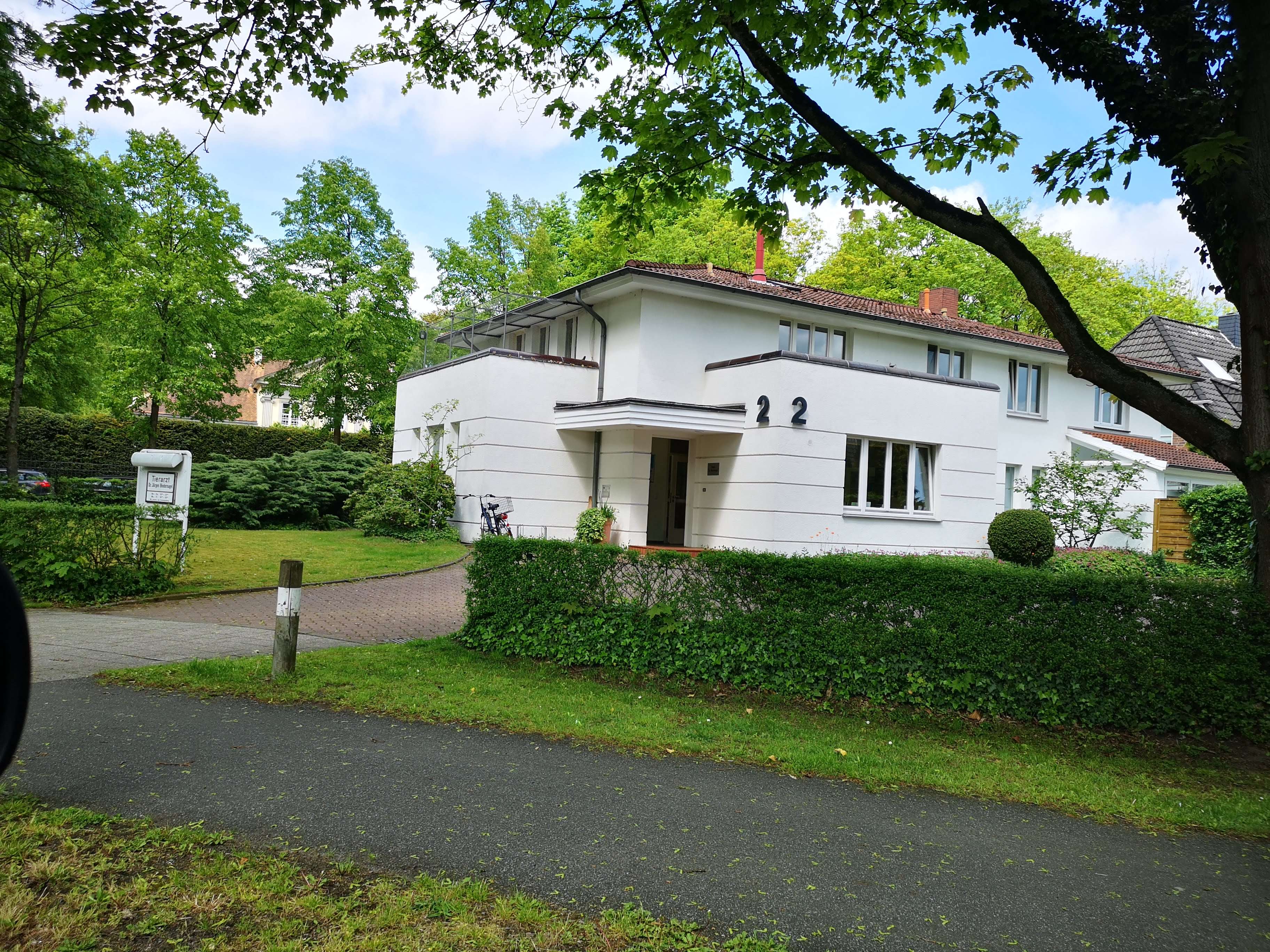
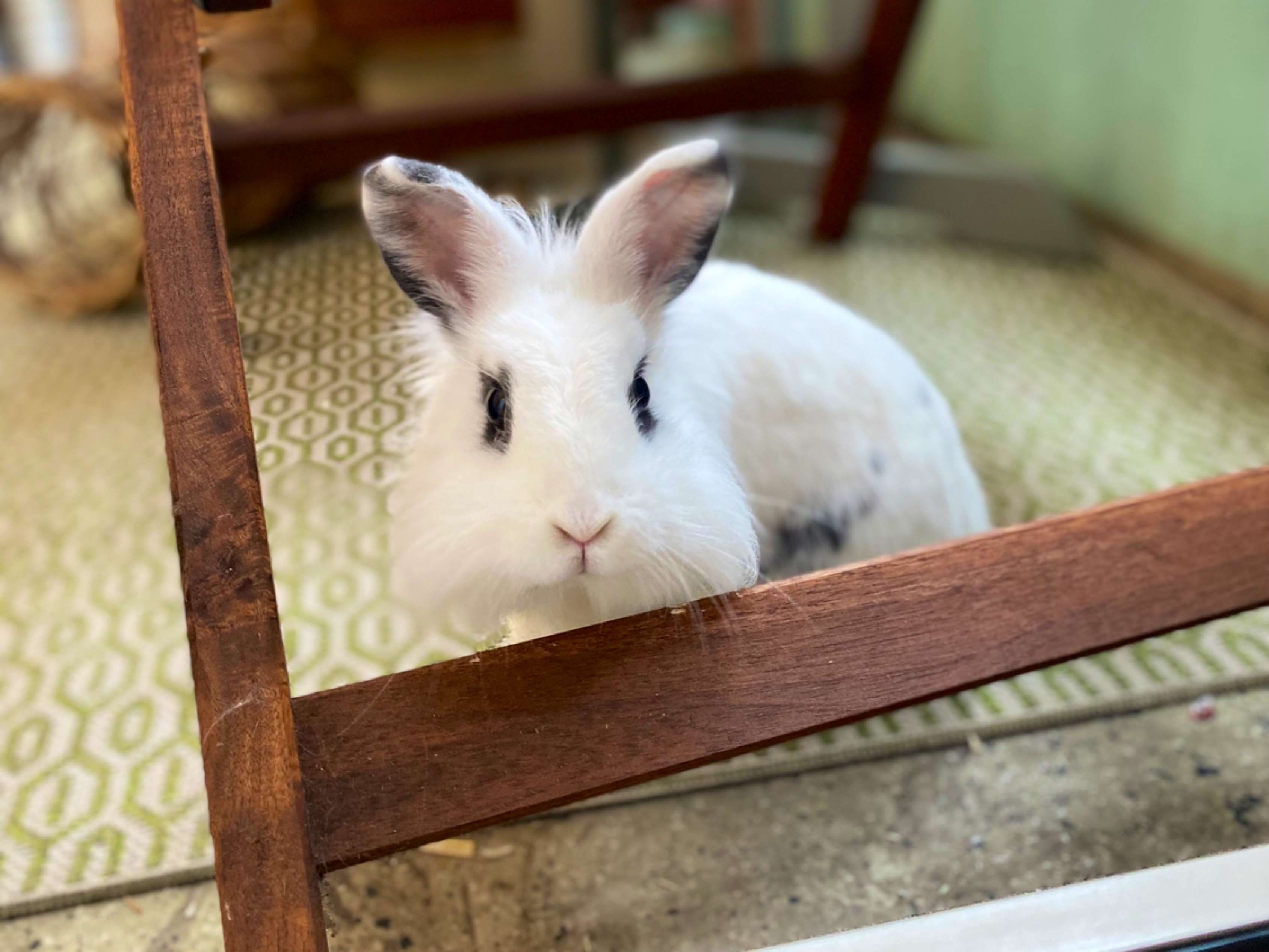
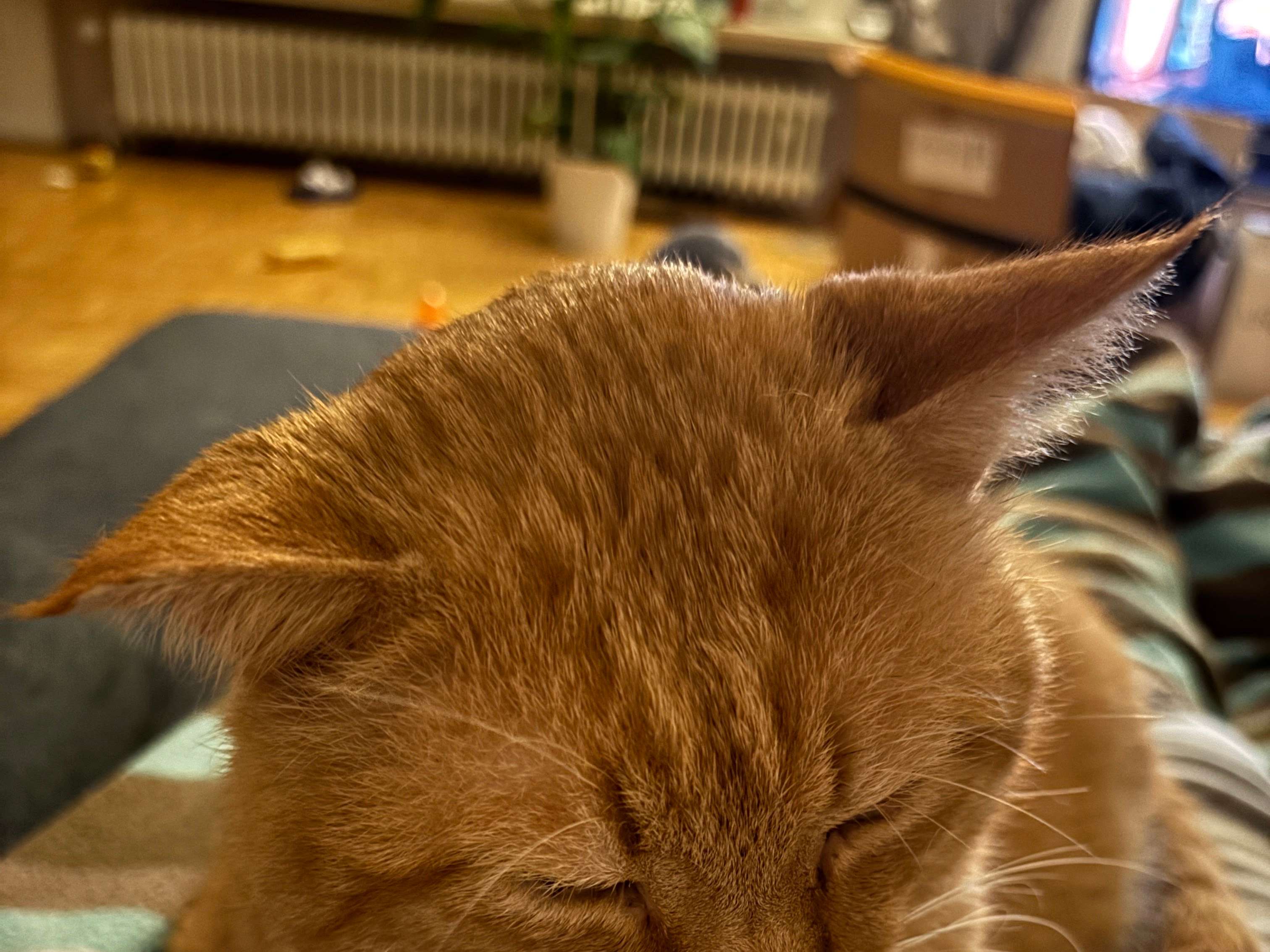
Kleintierpraxis Dr. B. Bindernagel is located in Bremen-Oberneuland and treats dogs, cats, and small pets such as rabbits, guinea pigs, and gerbils. It has been family-run since 1975 and is now in its third generation. Its main focus is dentistry: during every dental procedure, all teeth are x-rayed so that conditions beneath the gums become visible as well. An in-house laboratory delivers blood values in about ten minutes, surgeries are performed daily, and every anesthesia is continuously monitored. For anxious pets, the team tailors the visit to their needs, using scheduled appointments, pheromone blankets, and a calm atmosphere.
Treated animals
Small Animals & Pets
- cats
- dogs
- guinea pigs
- rabbits
- small rodents
Medical focus areas and specializations
- anesthesia
- dentistry
- ECG
- endoscopy
- nutrition counseling
- parasitology
- surgery
- ultrasound
- vaccinations
- x-ray
Services
- LaboratoryOn-site blood, urine, and tissue analysis
Opening hours
- Monday
- 10:00 AM–12:00 PM3:00 PM–5:30 PM
- Tuesday
- 10:00 AM–12:00 PM3:00 PM–5:30 PM
- Wednesday
- 10:00 AM–12:00 PM
- Thursday
- 10:00 AM–12:00 PM3:00 PM–5:30 PM
- Friday
- 10:00 AM–12:00 PM3:00 PM–5:30 PM
- Saturday
- Closed
- Sunday
- Closed
Emergencies
Appointments & new clients
Spoken languages
- 🇩🇪 German
Contact
- Book appointment
- Website
- Email
- Phone
Practice location
Kleintierpraxis Dr. B. Bindernagel
Practice location
Oberneulander Heerstraße 2
28355 Bremen
Germany
Team 5
Reviews
Professional and friendly! very positive experience!
Gut
I don't even know where to begin or end. But I can wholeheartedly recommend this practice and the vet! 😊 The practice is beautifully furnished, and the veterinary assistants are very friendly, understanding, and empathetic. ❤️ They're incredibly easy to reach by phone, and you can get an appointment quickly. You can even book appointments online! Dr. Bindernagel himself was kind to me and my cat, Bob. He sees the animal as a whole, not just the profit. He still saw the quality of life in my little cat and didn't euthanize him despite his terminal tumor. That's truly invaluable. 🙏🏻 We'll definitely be back!
I highly recommend this practice and the entire team! For years, I took my cat to Dr. Bindernagel for treatment of hyperthyroidism. Although my cat was never the easiest to treat, he always took the time and patience to make everything as stress-free as possible. The entire team is incredibly kind, and I always felt that my cat was in the best hands. As a human, I was also kept fully informed about every step of the process. Even during the most difficult moments of saying goodbye, we were treated wonderfully and included in everything that would happen. I would definitely return to this practice with any future pet and have nothing but positive things to say!
We are so happy to have found Dr. Bindernagel and his team through a recommendation. We've been coming here with our dog Hilda for over a year now, and we feel incredibly well cared for. Dr. Bindernagel and his team are competent, have always helped us and Hilda immediately and very efficiently, and most importantly for us: everyone is very kind and empathetic and simply has a wonderful way with animals. ♥️
Frequently asked questions
Many pets continue to eat normally despite being in pain. Signs include bad breath, tartar, reddened gums, chewing on only one side, food dropping from the mouth, excessive drooling, or rubbing the mouth with a paw. Cats with mouth pain often withdraw and groom themselves less frequently.
A large part of every tooth lies beneath the gums in the jaw, and that is precisely where many dental diseases develop. Inflamed roots, bone loss, or tooth resorption can only be seen on an x-ray. Therefore, all teeth are x-rayed under anesthesia, and after a tooth extraction, an additional image checks that no root fragments were left behind.
The crucial part is cleaning beneath the gumline, because that is where the inflammation sits. Thorough and pain-free cleaning is only possible while the pet is asleep. X-rays and checking all tooth surfaces are also only possible under anesthesia. Cleaning without anesthesia only removes visible tartar while the disease remains.
Before the anesthesia, the pet is examined and, if necessary, blood is tested in the in-house laboratory. A breathing tube protects the airways from water, tartar, and germs, an experienced team monitors the heart, circulation, and breathing throughout the entire procedure, and the treated areas are locally numbed. No anesthesia is entirely without risk, but with modern monitoring, it is low.
In tooth resorption, tooth substance dissolves, often at the tooth neck under the gums, and this is painful. Which form is present can only be determined by an x-ray. Usually, the tooth is completely removed; if the root has already turned to bone and is not inflamed, only the crown is removed.
Your pet arrives on an empty stomach: the last meal is given the evening before, water is allowed, and the exact time is discussed when making the appointment. Dental procedures take place in the morning, after which the pet recovers quietly in the day ward. When it can be picked up is clarified beforehand.
The most effective method is daily tooth brushing with a soft toothbrush and pet toothpaste—pets should not swallow human toothpaste. Get your pet used to it early and in small steps; the practice will show you how it works. Where brushing is not successful, dental care food or chew items with proven effectiveness can help, but they do not replace check-ups at the practice.
Veterinary practices nearby

Are you the owner or a team member of this practice? Claim this profile to manage it yourself.