Tierarztpraxis Dirk Oschika
Practice in Krossener Straße 35A, 10245 Berlin, Germany
- Emergency treatments are currently not possible due to operational reasons; the practice notes that they are not yet offered again.
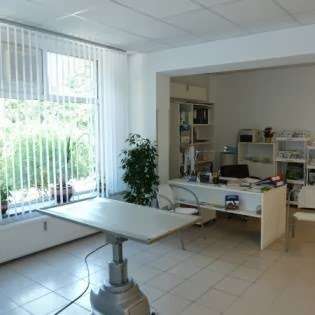
Since 2001, Tierarztpraxis Oschika in Friedrichshain has been there for dogs, cats, and small pets, especially rodents such as guinea pigs and rabbits. Thorough diagnostics with an in-house laboratory, digital X-ray, and ultrasound ensure that illnesses are identified and treated quickly. Beyond traditional veterinary medicine, the practice team offers chiropractic care for dogs and cats as well as homeopathy; pet owners from all over Berlin and Brandenburg also make use of these services. Treatment is given as much as necessary and as little as possible to keep the animal healthy in the long term. The team deliberately takes its time for this individual care.
Treated animals
Small Animals & Pets
- cats
- dogs
- ferrets
- guinea pigs
- rabbits
- small rodents
Medical focus areas and specializations
- allergology
- alternative medicine
- cardiology
- chiropractic & osteopathy
- dentistry
- general medicine
- homeopathy
- internal medicine
- laser therapy
- nutrition counseling
- orthopedics
- surgery
- ultrasound
- vaccinations
- x-ray
Services
- LaboratoryOn-site blood, urine, and tissue analysis
Appointments & new clients
Spoken languages
- 🇩🇪 German
Payment methods
Contact
- Book appointment
- Website
- Email
- Phone
Practice location
Tierarztpraxis Dirk Oschika
Practice location
Krossener Straße 35A
10245 Berlin
Germany
Team 4
Frequently asked questions
Chiropractic care can sustainably improve pain conditions and thus reduce or even eliminate the use of medication. This area is one of Dr. Stephanie Oschika's specialties.
The animal should not receive any food for twelve hours before the anesthesia. Excluded are ferrets, rabbits, guinea pigs, and other rodents, which must eat until shortly before the procedure.
For an examination of the abdominal cavity, it is recommended to bring the animal in fasting. Most animals tolerate the ultrasound without anesthesia.
Anesthesia becomes necessary if the animal needs to be held still for the imaging, such as for the head or cervical spine, or if positioning causes pain. If surgery follows, the X-ray can be taken under the same anesthesia.
After the initial examination, the practice estimates the expected costs for major treatments and surgeries and discusses them with you in detail. A reliable estimate is not possible without prior examination of the animal.
Veterinary practices nearby


Are you the owner or a team member of this practice? Claim this profile to manage it yourself.